Posted in family life

a boy and his trains (Grandma’s trains, that is…)

Sometimes I wish I had a window into Rondel’s mind, to know what he’s thinking and imagining as he plays.
IMG_3048

He is currently absorbed by trains of all types, having been introduced to them at our local children’s museum, and then having discovered that Grandma had a box of trains saved from my childhood. He’ll spend a small amount of time setting up the track, not worrying about whether it is intricate or even complete, as long as there is something to drive the train on, and then spend the rest of his time lining up the trains, linking them together with their magnetic hooks, pushing them slowly back and forth on the little piece of track right in front of him.

Nothing disturbs his focus. (Not even Grandma!)

IMG_3043.jpg

He is completely in another world, a world perhaps where giant powerful steam engines chug fiercely down the rails, where light rail trains glide smoothly down the road next to the comparatively tiny cars, where people flock on and off the passenger cars as the trains pull up to the station. Or perhaps he is lost in the details, feeling the rough unfinished tracks and the smooth painted engines, the perfect curves of the wheels or the straight lines of the cars, imagining the freight carried in each crate or channel or bucket, taking pleasure in the effortless connection of one magnet to another, feeling the heft of the train as one engine pulls a whole line of cars behind it down the track. There’s no real way for me to know what captivates him so deeply about the trains.

And he doesn’t play with them the way I remember playing with them. My favorite part of the trains (at least as far as I remember, when I was quite a bit older than Rondel is now) was designing the track, seeing what new configuration I could build with the pieces, creating different loops and tunnels for the trains to traverse.

IMG_3044.jpg

But even though I don’t fully understand the way Rondel plays, I see his thoughtful and imaginative side, his attention to details, and his love of patterns, connections, and categorizations; I see his joy and excitement about doing something he loves; and I see him playing in a way that allows his mind to develop in its own unique bent, free of the artificial goals and constraints of an adult’s idea of fun or the “proper” way to play. All his senses are involved, his body is unconstrained (as evidenced by how he’s lying on his side to push the trains at eye level…), his imagination is free, his attention is undistracted, and his decisions are internally motivated.

In these moments, I feel like I’m privileged to observe the beauty of self-directed, spontaneous, childhood play, and I’m so glad that my son has the opportunity to experience life and develop in that context. We’re far from perfect, but days like these bring me so much happiness.

Posted in family life

a birthday for limerick

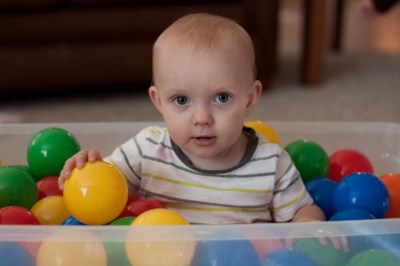
Look how big this boy is!

IMG_2808.jpg

It’s so hard to believe that he’s already a year old. It shouldn’t be that hard since he’s been walking for over two months already… and can say practically anything he puts his mind to (he has 35 distinct words already, that he knows and we know and he can use consistently)… but it really is. At the risk of sounding old (or like my father!), where has the time gone? It seems like yesterday he was just a sleepy newborn snuggled up against me all the time – and now he’s wriggling to get away and play at all times except when he’s tired and ready for bed.

IMG_2865

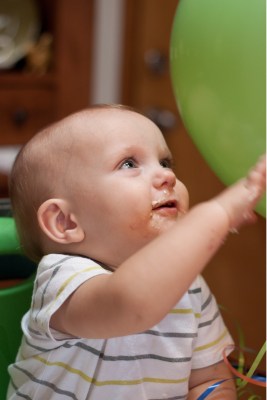
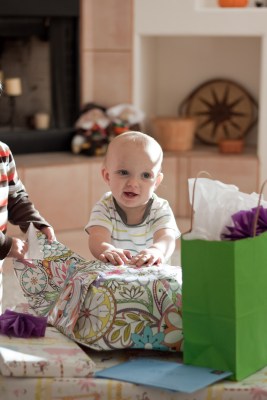
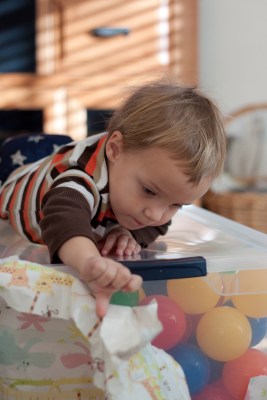
We celebrated with my family at my parents’ house with applesauce cake (in honor of Limerick’s first word, “apple”), balloons, and a few presents. Limerick wasn’t sure about the cake, I think mainly because of the frosting, but he was delighted with the balloons, and quite intensely excited about the presents.

IMG_2873

IMG_2870

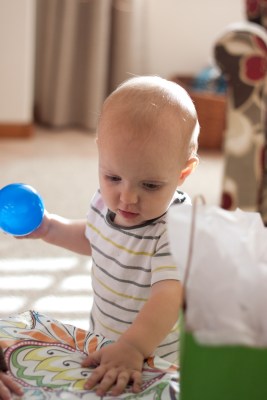
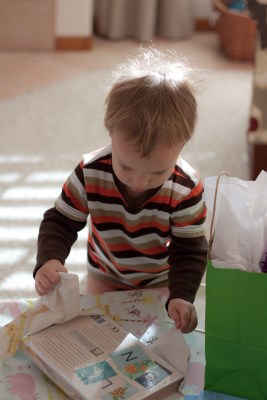
He did have some help opening the presents – I thought it would be both easier and more fun for everyone involved if Rondel was allowed to help, and that was definitely the case. Limerick would rather do everything with Rondel than by himself at this point, and Rondel’s birthday was recent enough that he remembered the excitement of opening presents and was eager to do it again!

IMG_2884

IMG_2891

Anyway, happy birthday, Limerick! Getting to know you this year, as you have grown and begun to show us your very own brilliant personality, has been such a privilege. Your intensity, your focus, your persistence at accomplishing a task you have set for yourself, your internal motivation, and your confidence are wondrous to behold. The eagerness and delight with which you approach life (especially when Rondel is around to make you laugh) bring me joy every day – it’s hard to stay depressed or angry about life when you are bursting with happiness near me about a ball or a puppy or a baby or your own toots!

IMG_2892

You remind me to find the happiness in the simple things as well, just by being yourself. And every day I am thankful that God put you in our family, just when we needed you most, and I pray that we can be just as much of a blessing to you as you grow up. I love you, Limerick.

Posted in family life

riding the light rail

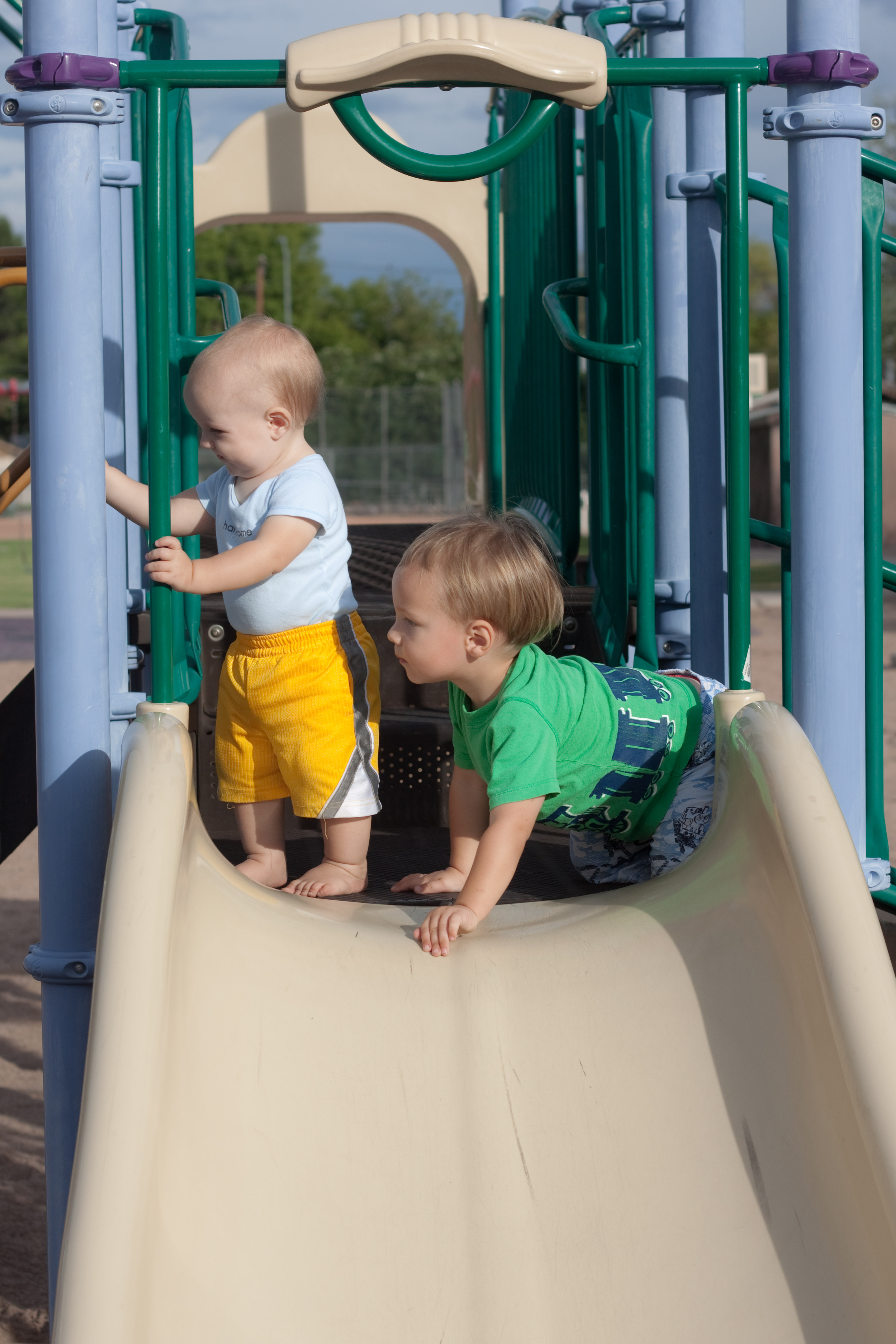
On Tuesday I took the boys to the big park on the light rail train instead of walking the mile to get there like we have in the past (I have a pass since I take the train to work every day, and the boys are still young enough to ride free). The children’s museum we frequent has had a train exhibit up for a while, and part of it is themed after the local light rail train, so Rondel has been even more fascinated by it than usual. I have to admit, I used riding on the train as a sort of bribe to get Rondel to leave the museum when it closed for the day…

Anyway, Limerick just wanted to run around and explore the inside of the train, and was upset that I wouldn’t let him do that, but Rondel was completely entranced by just being on the light rail train. Every time it would start moving again after a stop his whole face would light up and he’d exclaim, “it’s driving!!!” He loved it so much, in fact, that when we got off the light rail after our return journey, he almost broke down in tears because he wanted to get back on and ride some more “right now.”

I was worried that it would be a hassle taking two babies and a stroller on the train but now I see that my worries were baseless, and I’ll have to find more destinations for us to ride to 🙂 It’s such a simple thing but it brings so much happiness.


Posted in family life, musings

my gentle parenting thanksgiving day mission statement

Today, I will love my children for who they are, the way they are, and not act as though I would rather them be someone different.

Today, I will advocate for my children’s wellbeing instead of feeling embarrassed when they are unable to adjust to unreasonable adult expectations.

Today, I will be the safe place my children need when they are overwhelmed, overstimulated, tired, hungry, or uncomfortable, instead of ignoring them to focus on my own conversations or activities.

Today, I will be mentally and emotionally present for my children, so that I can observe the warning signs before a meltdown ensues, and protect their privacy and dignity by giving them the rest or space they need to recalibrate.

Today, I will do the best that I can do to ensure that my children remember Thanksgiving Day with the whole extended family as a day of joy and togetherness, despite the potential for chaos and stress. And I will do this not by emphasizing to them what Thanksgiving ought to be about, but by equipping them to handle the special challenges of the holidays with confidence and grace.

Posted in family life

help! I’m becoming a critical parent!

Not critical of my kids, though – critical of other parenting styles! A couple incidents a few days ago stood out to me particularly.

Limerick and I were playing at a children’s museum by our home and a little girl about his age was there with her parents. She seemed like a sweet little girl but I never really got to see her personality or how she would interact with Limerick because every time they got within two feet of each other her parents would both say, “Share! Share!” in tones reminiscent of the seagulls in Finding Nemo. So she would extend one of her toys to Limerick, and he would typically look at it, take it and set it down next to her, or walk away. She was holding blocks identical to many others on the floor surrounding them, so he wasn’t approaching her out of interest in the toys per se – he was interested in her, who she was, what she was doing, and so on. But her coached response was essentially, “take this toy and leave me alone.” What can you do with that? Limerick eventually gave up and left her alone.

Not twenty minutes later I was playing with trains with Rondel at the same museum and a couple of older boys (maybe 8-10 years old) came up and started touching and trying to move the train he was playing with. When he said “No!” and moved it away from them, one of them looked up at me and commented on how selfish Rondel was. My response probably surprised him: I said, “Not really – he was playing with that toy and you tried to take it from him. You wouldn’t have liked it either if someone did that to you.” The boys then proceeded to play with a different train in a loud, attention-getting way, trying to get Rondel to notice and think the other one was better, and he did start to notice, but since he doesn’t just walk over and take toys from other kids they weren’t achieving their goal of drawing him away from the first train. Finally I stepped in and told Rondel, “Those boys are wondering if you want to play with the steam train so they can play with the electric train – do you want to switch trains?” And as soon as I asked him in a reasonable and respectful way he agreed to switch and the boys were quite happy.

Neither of these scenarios would have bothered me at all a few years ago; I probably wouldn’t even have noticed. But now they both really bother me. In the first, I just wish those parents would shut up and let their daughter make friends with my son without their constant interference! In both, I felt like I really began to understand what “sharing” is for a child that young: giving up the toy you were playing with (or worse, having it taken away from you) so that someone else can play with it instead. Even at Rondel’s age sharing is a difficult concept: taking turns (he can have that when I am done with it; I can have this when he is done with it) or exchanging (he can have this toy if he gives me that toy) are much easier to understand and implement. So please, parents, don’t ask your young toddler to “share” with my sons – I don’t want them to learn that it is ok to go up to someone and take their toys because they should be sharing them! When Rondel and Limerick are the age of those other boys at the museum, I want them to be able to ask another child for a turn with respect, not expect the other child to immediately give them what they want.

Sigh. I don’t think any of the parents or kids that I encountered were bad (they all seemed pretty nice and well-intentioned, actually) – they just didn’t see my toddlers (or their own toddler) as little people capable of understanding and independence and deserving of basic social respect. I never felt so different in my life before I started trying to let my children unfold naturally instead of pushing and prodding and protecting and reminding them all the time…

Posted in family life, musings

different interests

The things our children find fascinating our not always the same things we find interesting, and to control their play and exploration is to imply that our interests and likes are better than theirs.

Limerick is captivated by many things I would pass right by on a regular basis: the sunlight hitting the wall through a high window, the pattern of stucco on the exterior walls, the trajectory of a mason jar rolling on the ground. I want him to be able to see the world through his own unique eyes as long as possible, to develop a sense of the value of his own perspective, and not to think that he has to align his interests to the interests of others.

Rondel is similarly interested in things that don’t hold much fascination for me – mostly, right now, every single wheeled vehicle on the road. As much as I’m tempted to try to redirect his interest to something more exciting for me, I’m choosing to learn about cars with him, joining him in his interest so that he can talk about them and learn more about them and deepen his attention and focus through them. I don’t want him to think that his interests are unimportant to the person who matters most to him in the whole world.

But sometimes, I really don’t know why they’re interested in something, or even what exactly has captured their attention. What do you think is so fascinating about this pole? 🙂

IMG_2534

Posted in family life

brothers

One of the things I love about parenting is watching the relationship between my two boys grow and deepen. I love seeing Limerick’s eyes light up when he hears Rondel coming, and hearing Rondel ask if Limerick’s done eating yet so he can play with him. I love the way Limerick does his best to copy everything Rondel does, and participate in every silly game Rondel comes up with. I love how Rondel snuggles up to Limerick and lets him climb all over him.

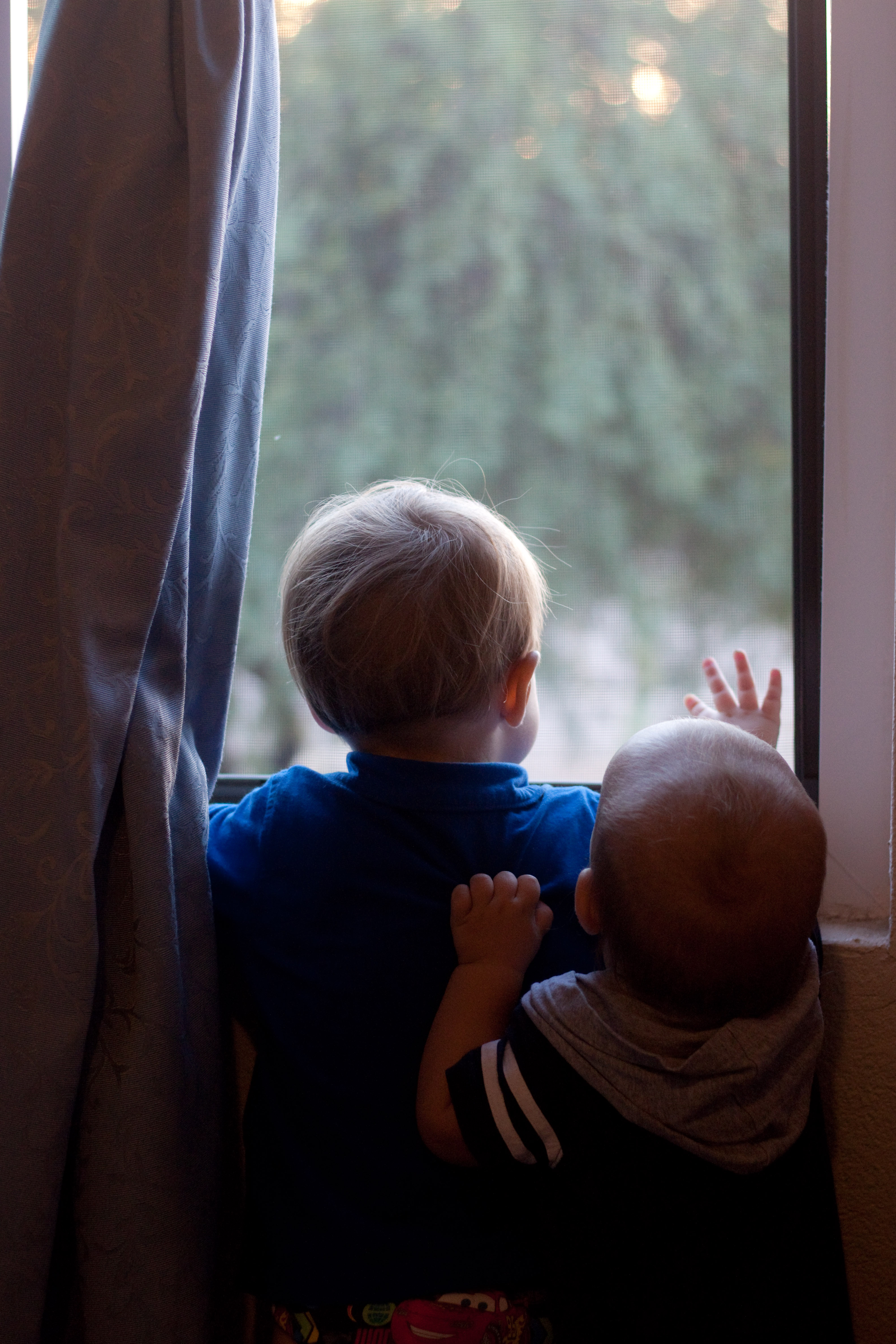
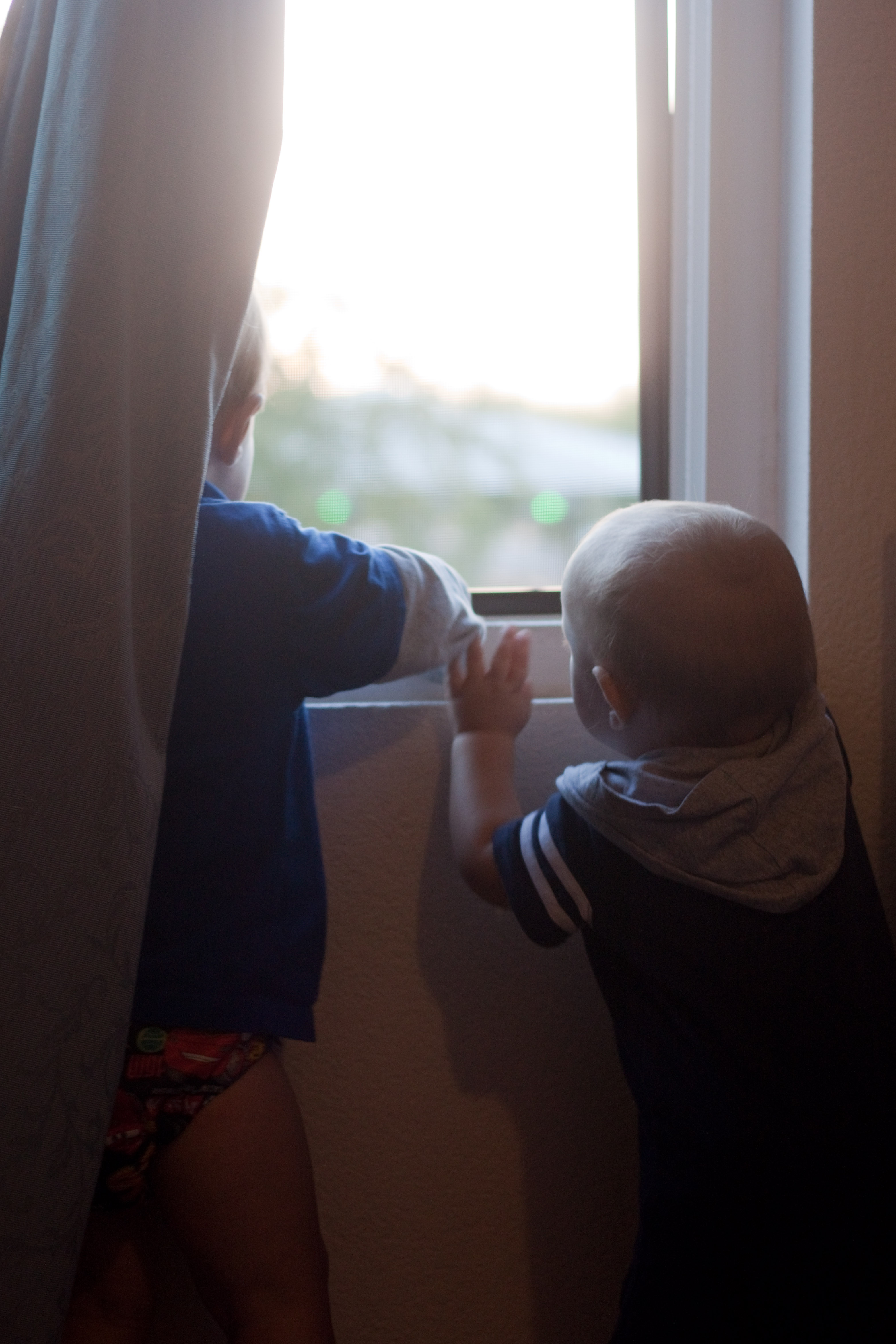
Tonight they were looking out the window together:

IMG_2560

Limerick isn’t as fascinated by the cars outside as Rondel is, but he’s extremely interested in anything Rondel happens to be doing – and Rondel, despite his sometimes intense dislike of being touched, is growing a lot more tolerant of Limerick’s close and enthusiastic physical presence.

IMG_2562

Instead of getting upset because Limerick was in his space, he just moved over and made room for his brother to look out the window too.

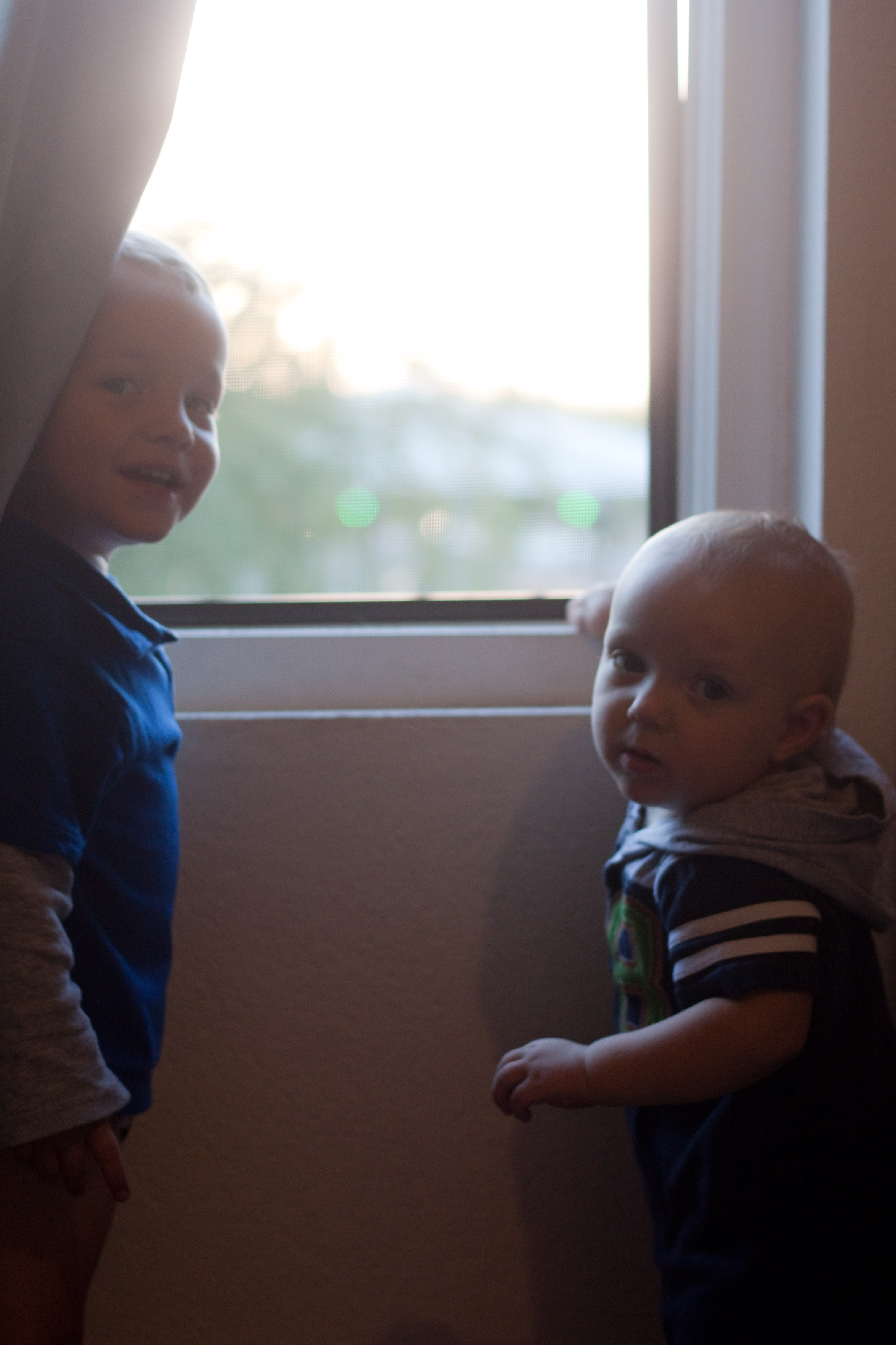
IMG_2563

Then all of a sudden they both turned around and realized I was there watching them!

Someday they’re going to go on all kinds of adventures together, those two – and I can’t wait to see what they’ll do 🙂

Posted in musings, quotes

thoughts on the principle of “respect for persons”

I’m doing my human research ethics refresher training at work this week and ended up rereading parts of the Belmont Report (the flagship document on the ethics of human subjects research in the United States, written in the 1970s in response to some of the atrocities uncovered during the Nuremberg trials as well as some of the horrors unearthed in our own history). The section of “Respect of Persons,” deemed a “Basic Ethical Principle” by the authorial committee, particularly stood out to me:

“Respect for persons incorporates at least two ethical convictions: first, that individuals should be treated as autonomous agents, and second, that persons with diminished autonomy are entitled to protection. The principle of respect for persons thus divides into two separate moral requirements: the requirement to acknowledge autonomy and the requirement to protect those with diminished autonomy.

An autonomous person is an individual capable of deliberation about personal goals and of acting under the direction of such deliberation. To respect autonomy is to give weight to autonomous persons’ considered opinions and choices while refraining from obstructing their actions unless they are clearly detrimental to others. To show lack of respect for an autonomous agent is to repudiate that person’s considered judgments, to deny an individual the freedom to act on those considered judgments, or to withhold information necessary to make a considered judgment, when there are no compelling reasons to do so.

However, not every human being is capable of self-determination. The capacity for self-determination matures during an individual’s life, and some individuals lose this capacity wholly or in part because of illness, mental disability, or circumstances that severely restrict liberty. Respect for the immature and the incapacitated may require protecting them as they mature or while they are incapacitated.” (emphasis added)

I wish this principle was applied more broadly in our society, and not merely codified into our human subjects research policies. Can you imagine what it would look like if, instead of shunting the homeless and mentally ill to the back or our minds and the sides of our communities, we considered them to be fully human agents able to make decisions and entitled to protection, not neglect or abuse, when incapacitated through disease or lack of opportunity, education, and health care? Maybe it would pave the way for people to reintegrate into society; maybe it would end some of the isolation and stigma surrounding people and their loved ones who are going through a situation in which they need help and aren’t fully able to advocate for themselves.

Can you imagine how the next generation would live if we raised our children with these principles of respect? If we valued their autonomy, took seriously their opinions and decisions, gave them the freedom to try and fail and learn and succeed, and equipped with the information and logical skills to choose wisely? If we stopped viewing them as possessions and status symbols and means to our own self-fulfillment, and instead truly considered them to be autonomous agents (immature and in need of our guidance and protection, yes, but not for us, or belonging to us, for our pleasure or our reputation)? We wouldn’t have the wounds of a child who can no longer live up to his parents’ expectations and feels like he’s going to bring their whole world crashing down, or of a child who is scared to try because he’s scared to fail and doesn’t believe he has the ability to think and act for himself, or of a child who is abused or neglected by parents thinking only of their own pleasure or convenience. And we wouldn’t have all those old wounds festering in the hearts of the adults who are leading our country, our businesses, our churches, and our families…

Can you imagine what the tender and vulnerable bookends of life could become if we viewed those people as entitled to our protection? Instead of the womb being a place where life only continues at the whim of another person, where the vulnerable human who cannot yet speak for himself or make his own decisions isn’t even given the basic protection of his own life, maybe it could become a place where the vulnerable are valued and protected with gentleness and love, preparing the baby within for the autonomy that will grow and mature within him. Instead of the last years of illness, frailty, and dementia being felt as a burden on the greater society, and the less autonomous being pressured to end their lives to reduce the strain on the community’s resources, maybe it could become an opportunity for the healthy and strong to learn love and sacrificial service in protecting and comforting the sick and dying.

Research isn’t the only thing that needs to be governed and informed by basic ethical principles.

Posted in family life, musings

infant play – stackable cups at the park

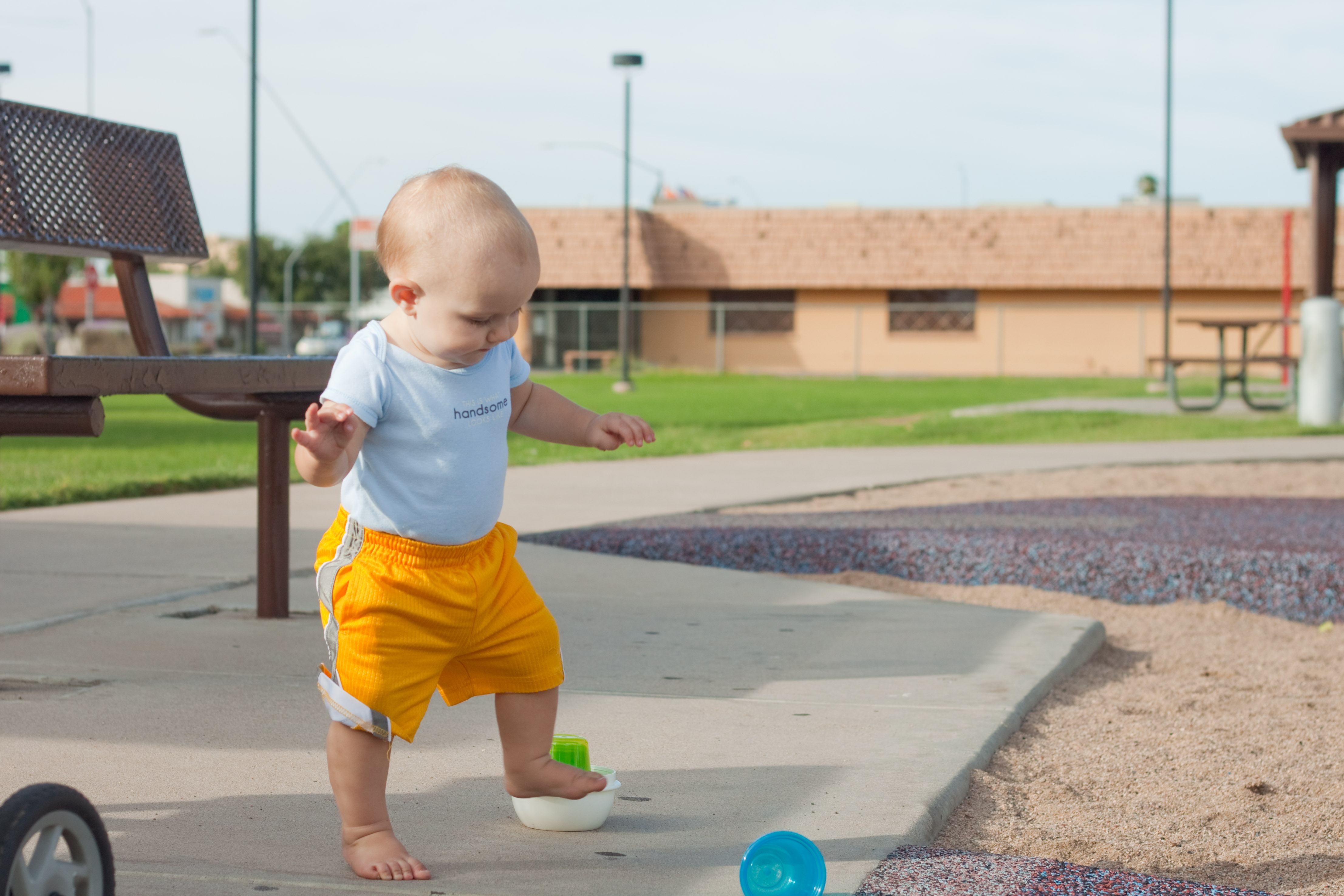
It is quite a privilege to watch a very young child playing independently. I brought stackable cups and a random bowl to the park with us and simply set them on the ground to see if the boys would notice or be interested.

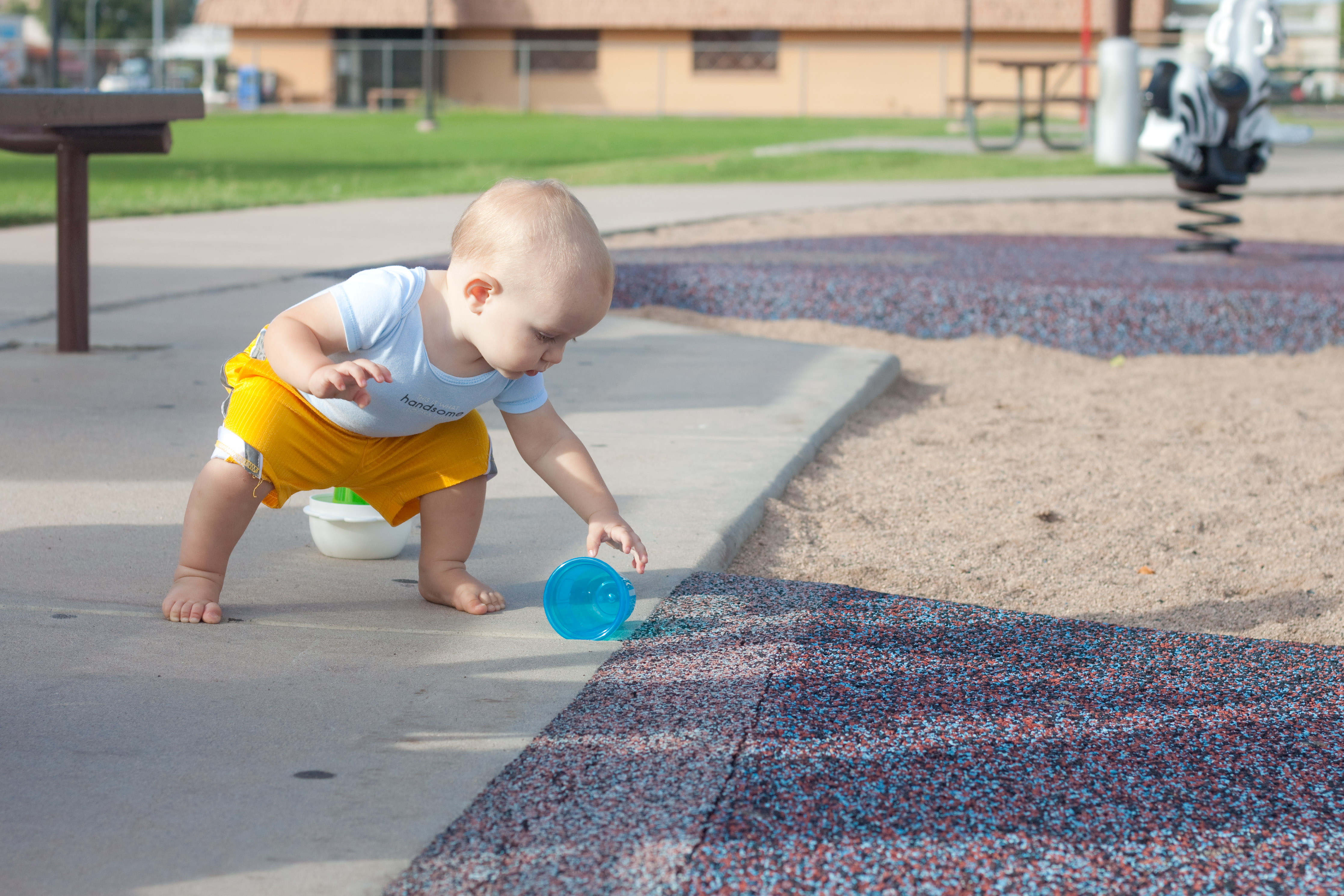
IMG_2443The complete focus, the utter absorption into the task the child has created, is a beautiful thing. Limerick had no direction about what to do with those cups: he was able to investigate their properties himself and decide what he wanted to accomplish.

IMG_2444Sometimes it’s tempting to step in and offer a hand, whether to direct their play (so it makes more sense from our adult perspective) or to provide a layer of support and security (so we can ease our own adult anxieties). But though his steps might be shaky, Limerick doesn’t need me right next to him. Letting him walk by himself, as he so very much desires, will strengthen his independence and self-confidence; constantly shadowing him with offers of help will begin to convince him that he is incapable on his own.

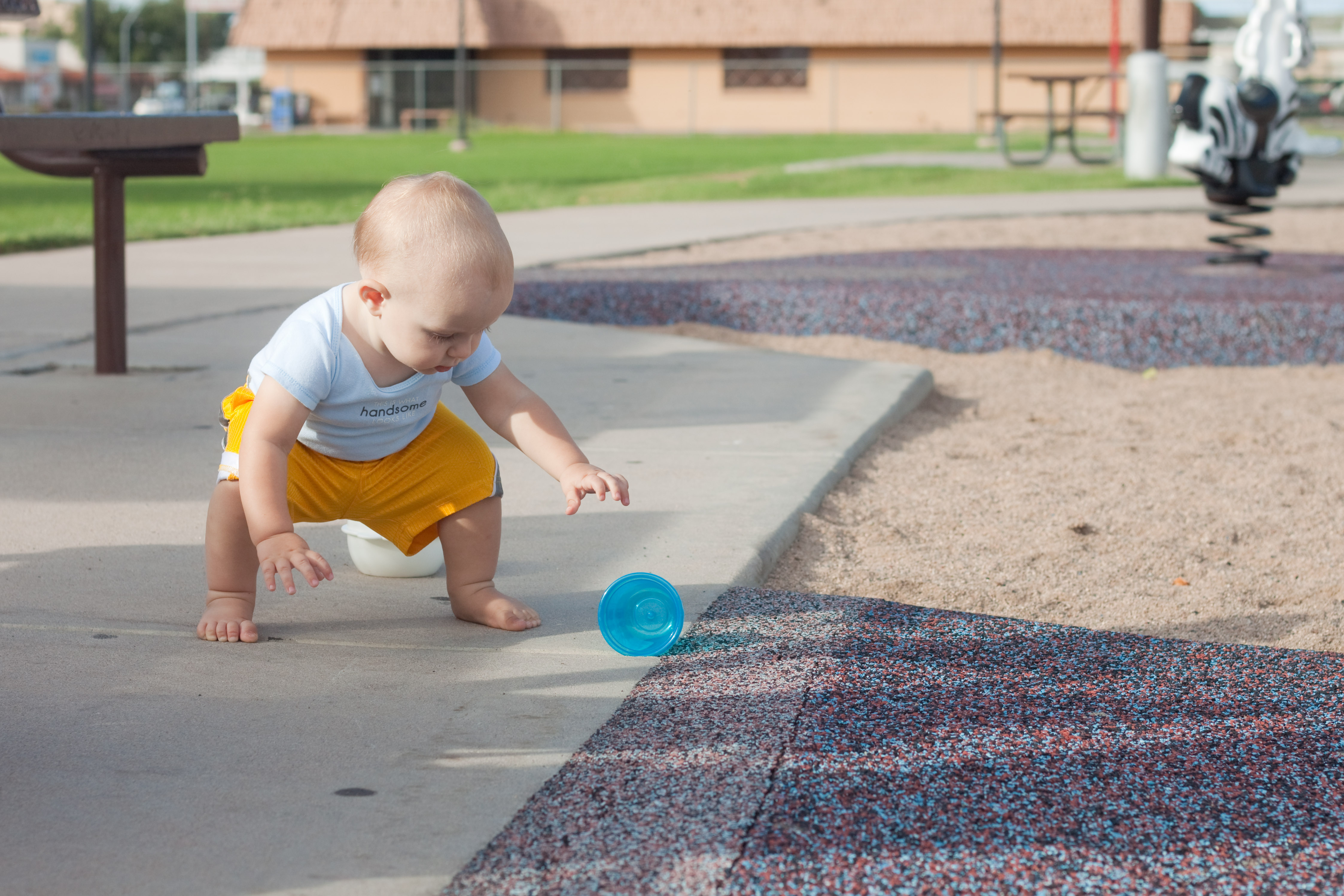
IMG_2445In deciding to go get the blue cup and bring it over with the other cups, and in carrying out that task by himself, he learned about planning and execution. He practiced balancing in a myriad of different positions, and began to grasp concepts of distance and the size and reach of his own body. It may look painfully slow to the observer, but his brain was working furiously the whole time to assimilate and respond to all the incoming information.

IMG_2446His estimation was about an inch or so off – I could have reached over and pushed the cup that much closer to him, but instead he was able to discover that if he stretched out just a bit father than he would normally be comfortable with, he could get the cup to roll towards him and would then be able to pick it up.

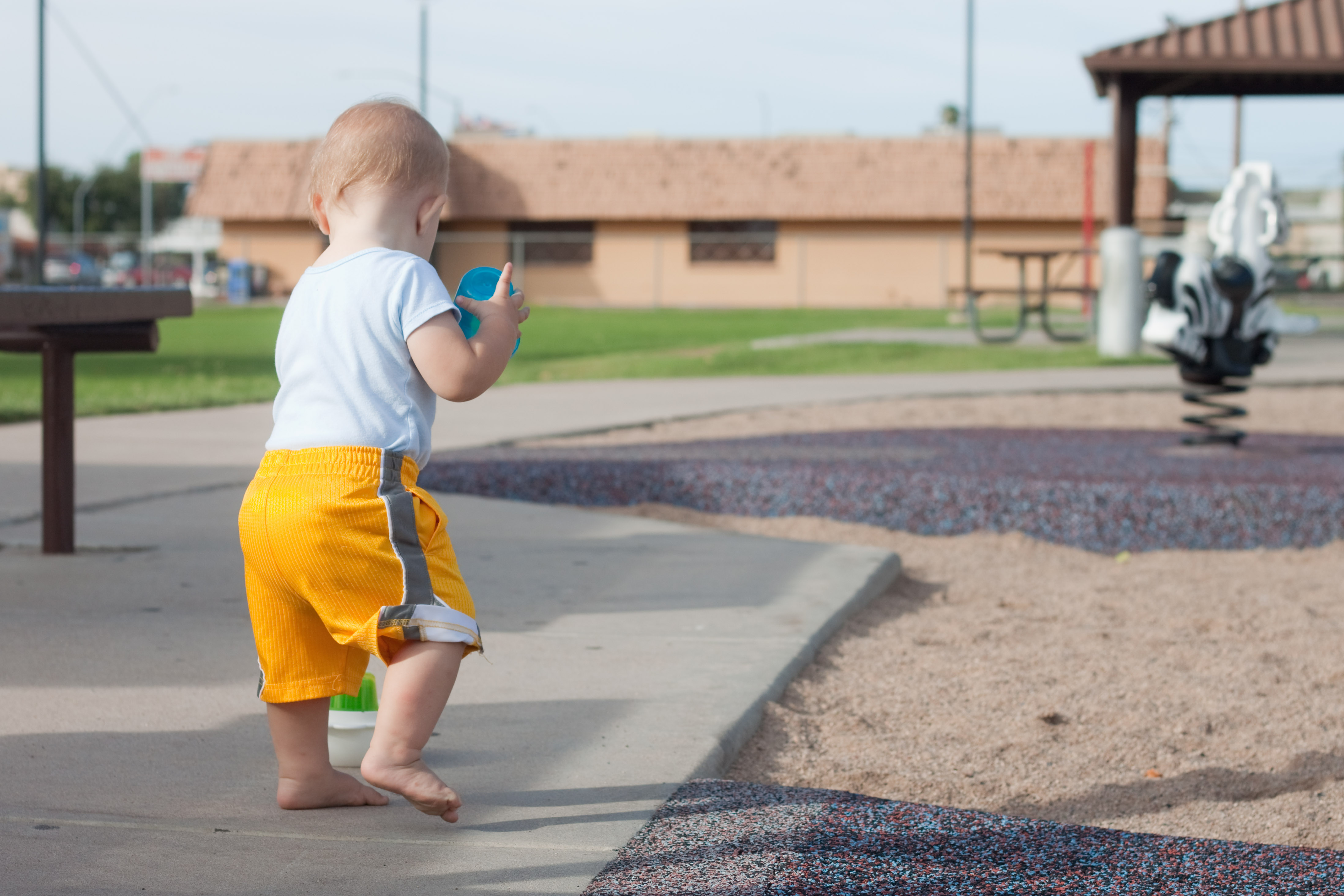
IMG_2447Finally – success! Cup in hand, he turned and walked back over to his previous play station, where the other cups and bowls were waiting for him. He had set a goal for himself, worked hard to accomplish it, and carried out his plan, without any adult input, interaction, or assistance. The feeling of a job well done, of new skills mastered, is an incredibly positive one, so why would I want to take that away from him by offering unneeded help? Our babies will surprise us with their abilities and intelligence if we give them the opportunity.

It is not, in the long run, helpful for a child for us to be constantly in their space, giving them adult input, direction, and aid; it shuts down their creativity and hampers their development toward independence. It is our silent and somewhat removed presence – there if they do need us, but unobtrusive when they do not – that can be truly empowering for the young child at play.

Posted in family life

  a moment together

It’s the small moments together, building on each other, each one fleeting, that make a relationship strong and prove the reality of one’s love.

I will hold you close to my heart forever – I will carry you in my love.

IMG_0434
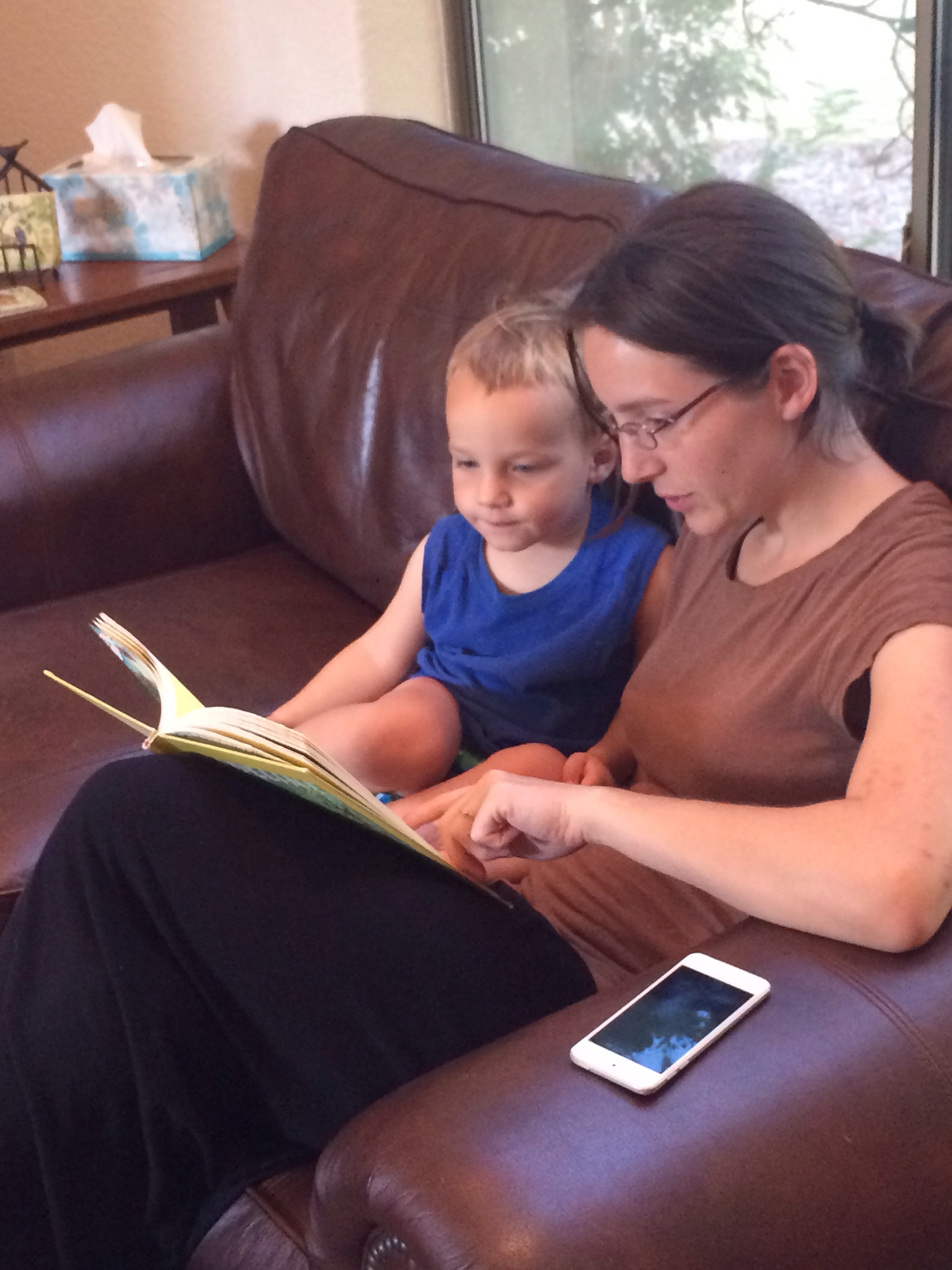
Reading Madeleine, one of my favorite books as a young child, together, for the first time 🙂