Posted in Uncategorized

computer problems

I was totally going to have an awesome post today, with pictures and parenting thoughts and humor – and then my computer’s hard drive failed as I finished choosing the pictures and started writing the post. I’m hoping I’ll be able to resurrect the drive and save the pictures but it’s still up in the air.

It’s kind of a pain to write posts from a mobile device so it might be a little slow around here until I can get the computer working again, and I won’t be able to use any pictures taken on my DSLR so what I do post will probably be more text-heavy (or have phone pictures… haha). Hopefully this brief hiatus will translate into lots of ideas and great posts when my computer is working again!

Posted in family life, musings

different interests

The things our children find fascinating our not always the same things we find interesting, and to control their play and exploration is to imply that our interests and likes are better than theirs.

Limerick is captivated by many things I would pass right by on a regular basis: the sunlight hitting the wall through a high window, the pattern of stucco on the exterior walls, the trajectory of a mason jar rolling on the ground. I want him to be able to see the world through his own unique eyes as long as possible, to develop a sense of the value of his own perspective, and not to think that he has to align his interests to the interests of others.

Rondel is similarly interested in things that don’t hold much fascination for me – mostly, right now, every single wheeled vehicle on the road. As much as I’m tempted to try to redirect his interest to something more exciting for me, I’m choosing to learn about cars with him, joining him in his interest so that he can talk about them and learn more about them and deepen his attention and focus through them. I don’t want him to think that his interests are unimportant to the person who matters most to him in the whole world.

But sometimes, I really don’t know why they’re interested in something, or even what exactly has captured their attention. What do you think is so fascinating about this pole? 🙂

IMG_2534

Posted in musings

love, fear, and inauthenticity (brief thoughts on a huge topic)

It seems to me, from casual observation, that many (perhaps most!) people feel intensely pressured to think, act, feel, and be a certain way, to fit a certain role or social expectation. We’re scared to truly be themselves because we’re afraid of what people might think or how people might respond, so we limit ourselves to the parts of ourselves that we think will be approved, and try to force the other parts down into hiding. And the pressures can come from all sides, making it even worse. For instance:

…a relatively reserved and morally conservative young adult may feel unable to admit his homosexual feelings for fear of disappointing his parents, whom he loves deeply, but after acknowledging them may find it equally hard to express his desire to stay celibate when the gay community that has given him encouragement and relief from his feeling of being isolated pushes promiscuity and sexual experimentation.

…a young mother, torn between wanting to maintain her career and to stay at home with her babies, may feel so overwhelmed by the “should’s” thrown at her (e.g., you should stay at work and contribute to the economy, to show your children that women don’t need to be tied to family and home! or on the other hand, you should stay at home because your children need your attention and time to develop to their fullest potential and why would you have kids anyways if you’re just going to pay someone else to raise them?) that she can’t even reach down to identify what choice would be most true to herself and her own unique personality and desires.

…a newlywed struggling with her marriage might feel social pressure to make everything look ok, while inwardly she’s drowning in confusion and sorrow, and try to bury the “inappropriate” feelings deep inside her so that no one will know and think less of her or be disappointed in her.

We see it in each other, adults all grown up in our inauthenticity, hiding the “unpleasant” and “uncomfortable” parts of ourselves in the deepest and farthest reaches of our hearts – which may be good for casual relationships and acquaintances, but isn’t sustainable in our closest, most intimate friendships. Our inauthenticity will smother our joy, wither our hope, and weaken our faith; it will poison our own hearts and sabotage our relationships with the people we love the most. It’s ironic and tragic, isn’t it? Our efforts to protect ourselves and the people we love from the “bad” things inside us just end up causing more pain and more isolation, and our fear – fear of rejection, fear of hurting the people we love, fear of letting down everyone who’s expecting something great from us – speaks its own self-fulfilling prophecy.

And what I’ve noticed is that it is typically the people we love the most, who mean the most to us, who create in us the strongest feelings of unworthiness and give rise to our wildest inauthenticities. We’re willing to sacrifice our very selves, who we are in the fullest sense of being, to keep them happy, because we love them so much – and most of the time (barring cases of abusive or psychopathic relationships here) it would devastate them to know that we were doing that. These people whose rejection and disappointment we fear (our parents, our friends, our spouses) typically love us just as much or more than we love them, and they want to see us live in fullness and joy. If only they knew – if only we could tell them! – that sometimes joy comes through suffering… that the sun can only rise after the night has spent its full course… that our “dark” and “bad” feelings need to be spoken before they can be healed.

Posted in family life

brothers

One of the things I love about parenting is watching the relationship between my two boys grow and deepen. I love seeing Limerick’s eyes light up when he hears Rondel coming, and hearing Rondel ask if Limerick’s done eating yet so he can play with him. I love the way Limerick does his best to copy everything Rondel does, and participate in every silly game Rondel comes up with. I love how Rondel snuggles up to Limerick and lets him climb all over him.

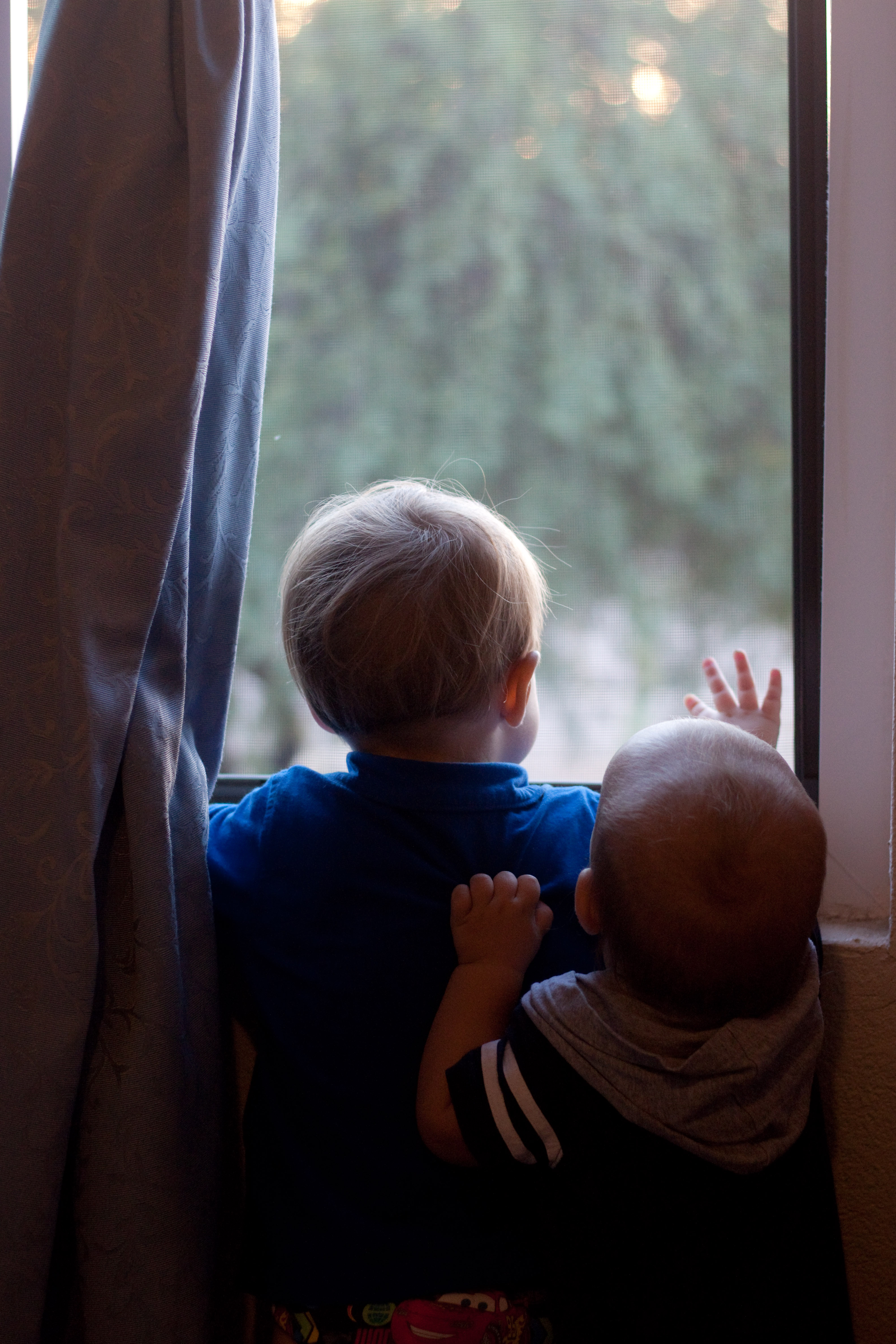
Tonight they were looking out the window together:

IMG_2560

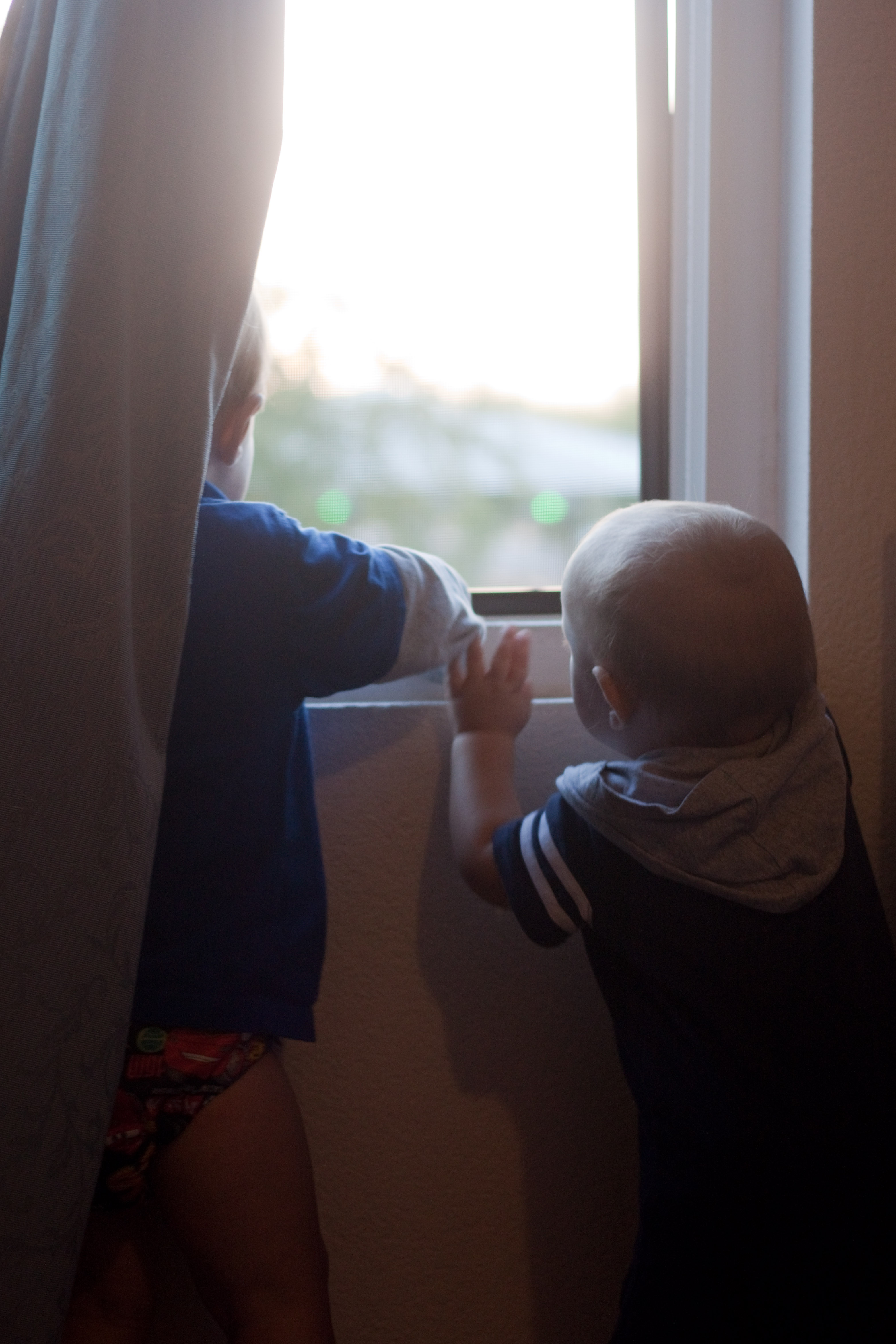
Limerick isn’t as fascinated by the cars outside as Rondel is, but he’s extremely interested in anything Rondel happens to be doing – and Rondel, despite his sometimes intense dislike of being touched, is growing a lot more tolerant of Limerick’s close and enthusiastic physical presence.

IMG_2562

Instead of getting upset because Limerick was in his space, he just moved over and made room for his brother to look out the window too.

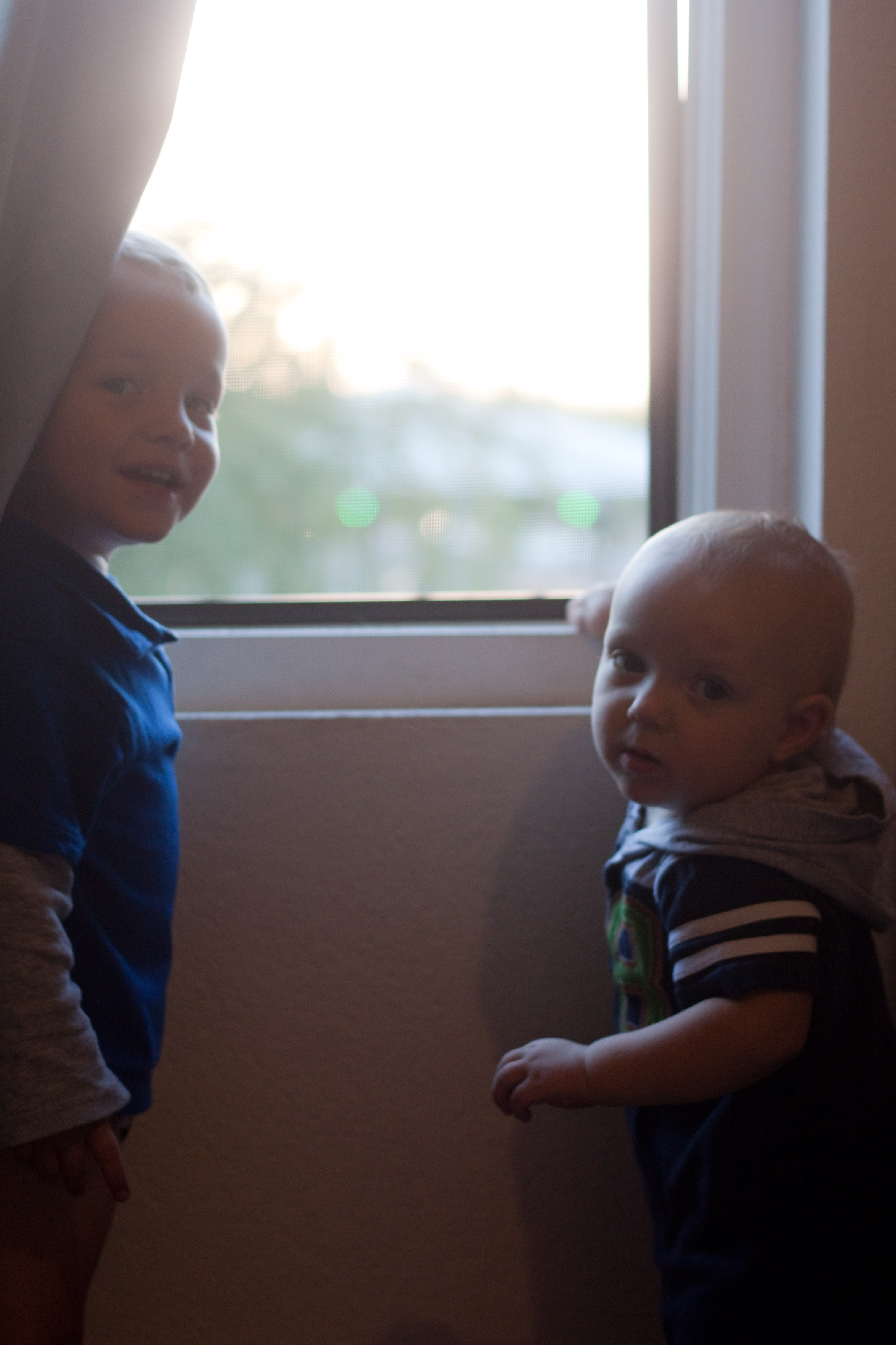
IMG_2563

Then all of a sudden they both turned around and realized I was there watching them!

Someday they’re going to go on all kinds of adventures together, those two – and I can’t wait to see what they’ll do 🙂

Posted in musings, quotes

thoughts on the principle of “respect for persons”

I’m doing my human research ethics refresher training at work this week and ended up rereading parts of the Belmont Report (the flagship document on the ethics of human subjects research in the United States, written in the 1970s in response to some of the atrocities uncovered during the Nuremberg trials as well as some of the horrors unearthed in our own history). The section of “Respect of Persons,” deemed a “Basic Ethical Principle” by the authorial committee, particularly stood out to me:

“Respect for persons incorporates at least two ethical convictions: first, that individuals should be treated as autonomous agents, and second, that persons with diminished autonomy are entitled to protection. The principle of respect for persons thus divides into two separate moral requirements: the requirement to acknowledge autonomy and the requirement to protect those with diminished autonomy.

An autonomous person is an individual capable of deliberation about personal goals and of acting under the direction of such deliberation. To respect autonomy is to give weight to autonomous persons’ considered opinions and choices while refraining from obstructing their actions unless they are clearly detrimental to others. To show lack of respect for an autonomous agent is to repudiate that person’s considered judgments, to deny an individual the freedom to act on those considered judgments, or to withhold information necessary to make a considered judgment, when there are no compelling reasons to do so.

However, not every human being is capable of self-determination. The capacity for self-determination matures during an individual’s life, and some individuals lose this capacity wholly or in part because of illness, mental disability, or circumstances that severely restrict liberty. Respect for the immature and the incapacitated may require protecting them as they mature or while they are incapacitated.” (emphasis added)

I wish this principle was applied more broadly in our society, and not merely codified into our human subjects research policies. Can you imagine what it would look like if, instead of shunting the homeless and mentally ill to the back or our minds and the sides of our communities, we considered them to be fully human agents able to make decisions and entitled to protection, not neglect or abuse, when incapacitated through disease or lack of opportunity, education, and health care? Maybe it would pave the way for people to reintegrate into society; maybe it would end some of the isolation and stigma surrounding people and their loved ones who are going through a situation in which they need help and aren’t fully able to advocate for themselves.

Can you imagine how the next generation would live if we raised our children with these principles of respect? If we valued their autonomy, took seriously their opinions and decisions, gave them the freedom to try and fail and learn and succeed, and equipped with the information and logical skills to choose wisely? If we stopped viewing them as possessions and status symbols and means to our own self-fulfillment, and instead truly considered them to be autonomous agents (immature and in need of our guidance and protection, yes, but not for us, or belonging to us, for our pleasure or our reputation)? We wouldn’t have the wounds of a child who can no longer live up to his parents’ expectations and feels like he’s going to bring their whole world crashing down, or of a child who is scared to try because he’s scared to fail and doesn’t believe he has the ability to think and act for himself, or of a child who is abused or neglected by parents thinking only of their own pleasure or convenience. And we wouldn’t have all those old wounds festering in the hearts of the adults who are leading our country, our businesses, our churches, and our families…

Can you imagine what the tender and vulnerable bookends of life could become if we viewed those people as entitled to our protection? Instead of the womb being a place where life only continues at the whim of another person, where the vulnerable human who cannot yet speak for himself or make his own decisions isn’t even given the basic protection of his own life, maybe it could become a place where the vulnerable are valued and protected with gentleness and love, preparing the baby within for the autonomy that will grow and mature within him. Instead of the last years of illness, frailty, and dementia being felt as a burden on the greater society, and the less autonomous being pressured to end their lives to reduce the strain on the community’s resources, maybe it could become an opportunity for the healthy and strong to learn love and sacrificial service in protecting and comforting the sick and dying.

Research isn’t the only thing that needs to be governed and informed by basic ethical principles.

Posted in family life, musings

infant play – stackable cups at the park

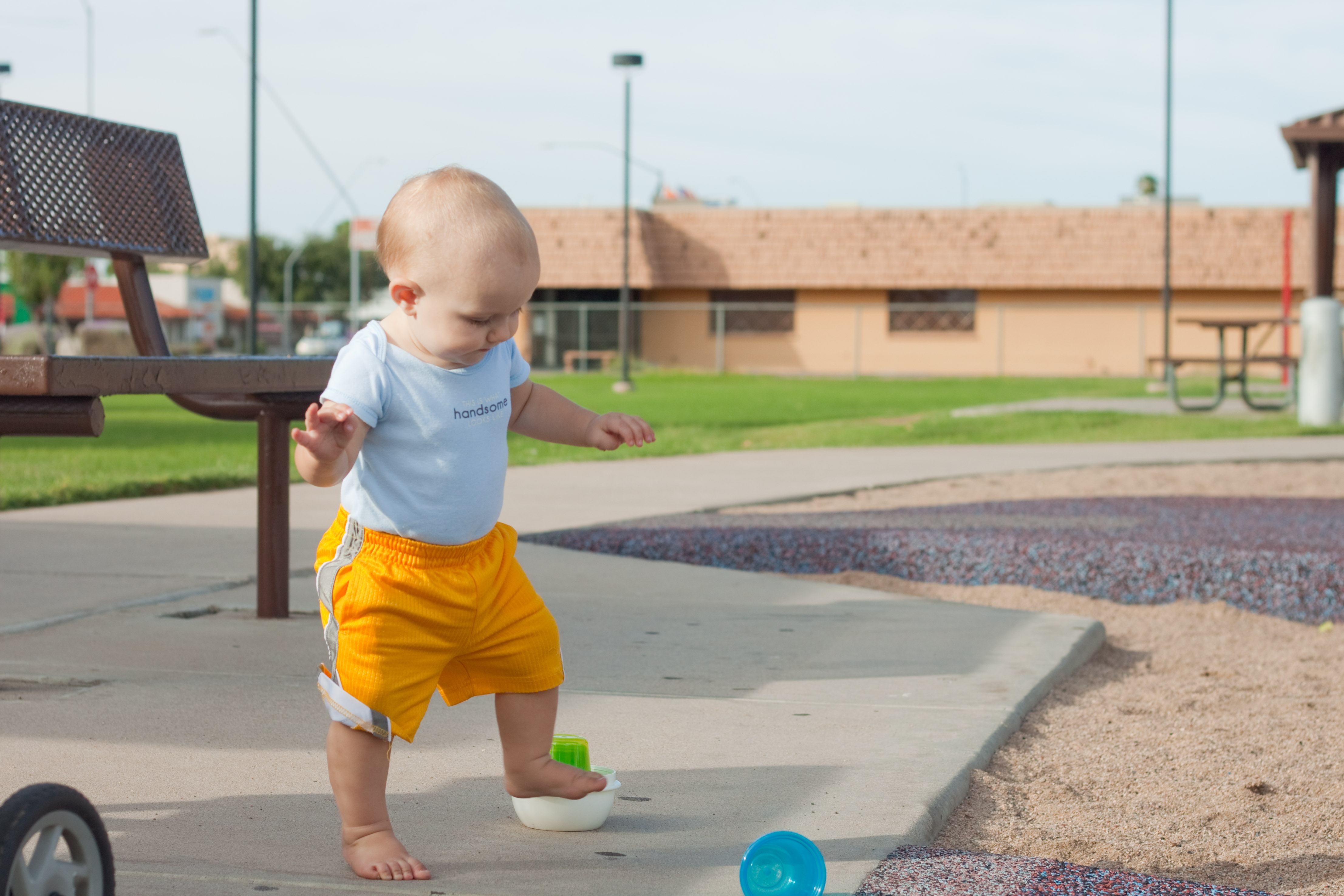
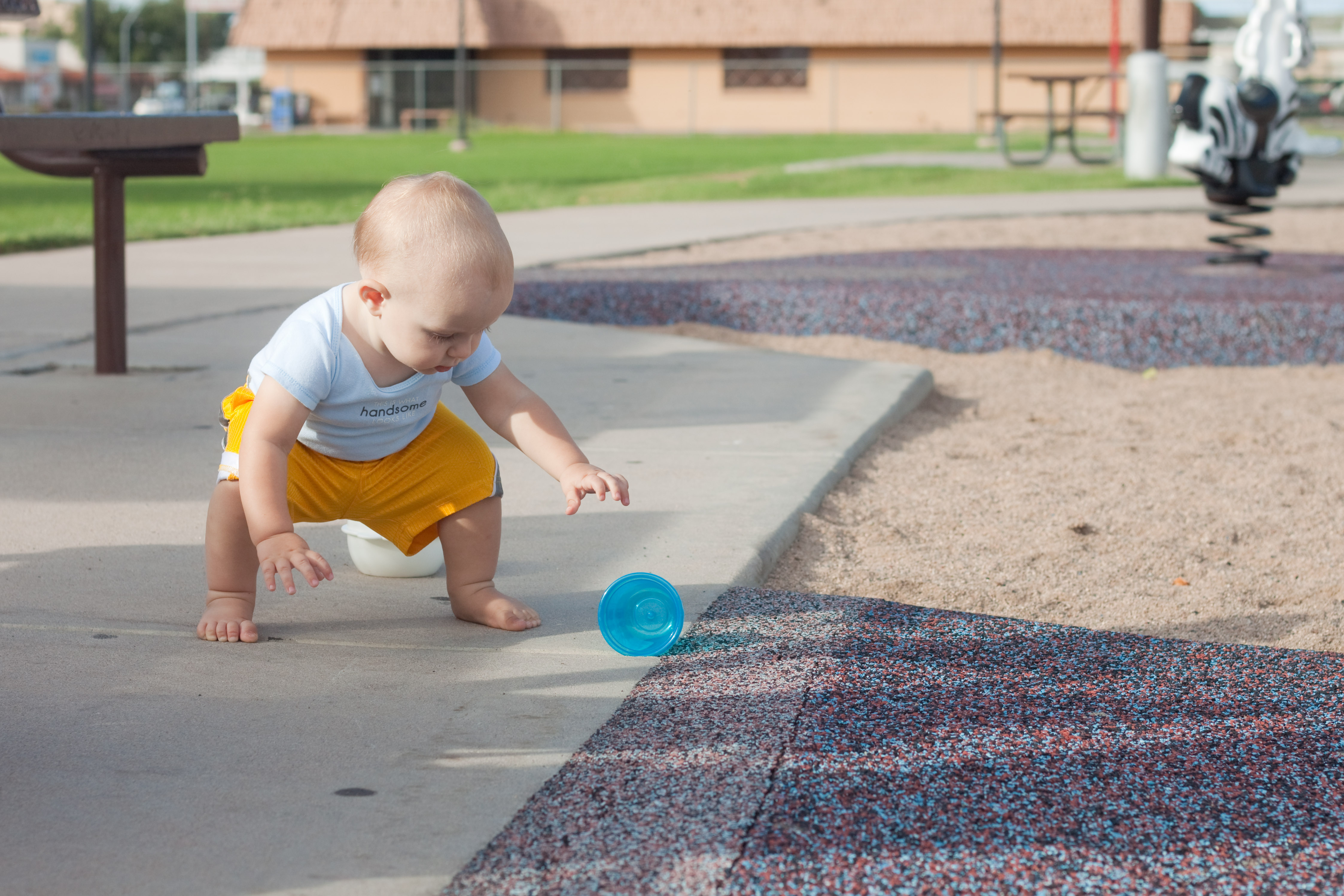
It is quite a privilege to watch a very young child playing independently. I brought stackable cups and a random bowl to the park with us and simply set them on the ground to see if the boys would notice or be interested.

IMG_2443The complete focus, the utter absorption into the task the child has created, is a beautiful thing. Limerick had no direction about what to do with those cups: he was able to investigate their properties himself and decide what he wanted to accomplish.

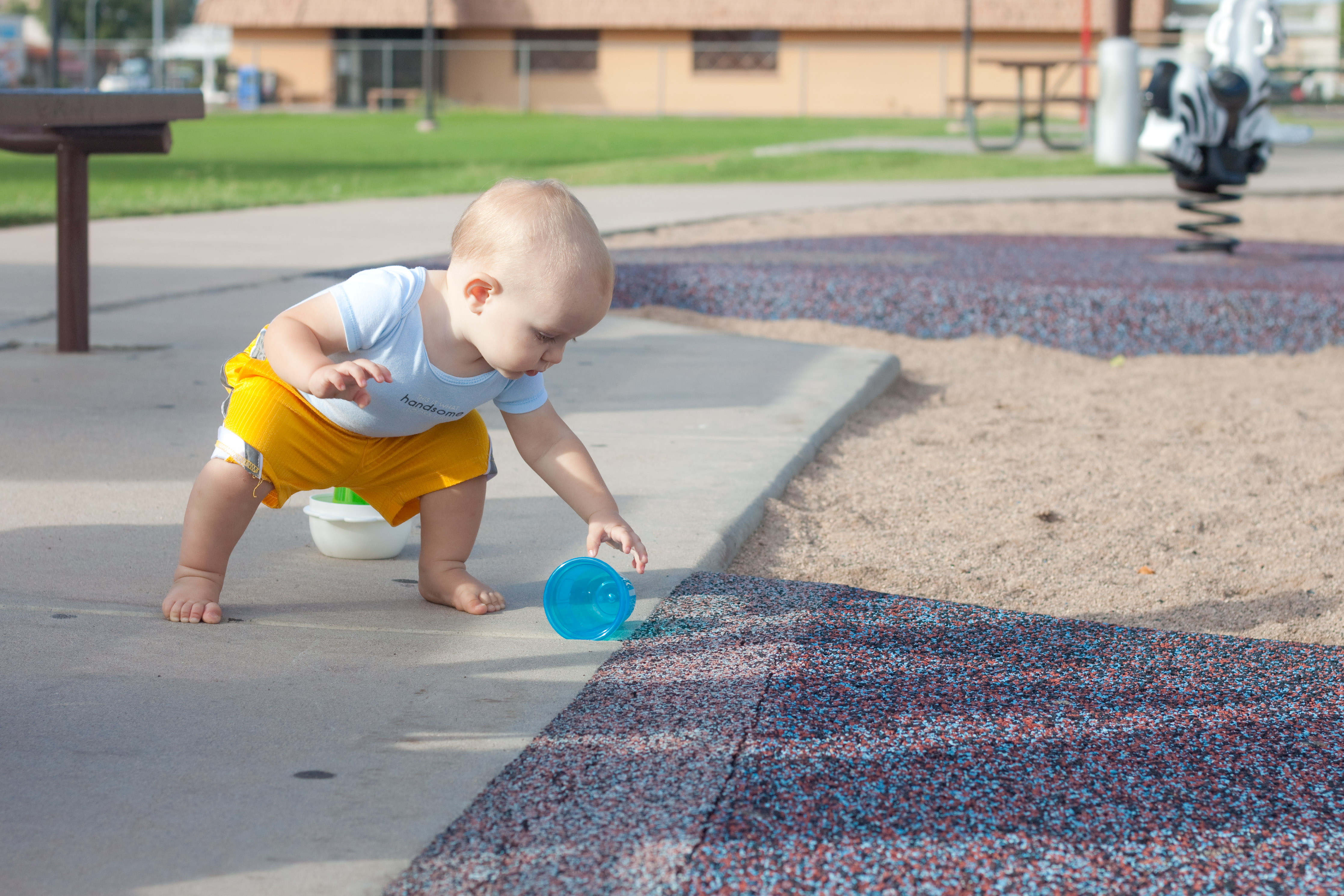
IMG_2444Sometimes it’s tempting to step in and offer a hand, whether to direct their play (so it makes more sense from our adult perspective) or to provide a layer of support and security (so we can ease our own adult anxieties). But though his steps might be shaky, Limerick doesn’t need me right next to him. Letting him walk by himself, as he so very much desires, will strengthen his independence and self-confidence; constantly shadowing him with offers of help will begin to convince him that he is incapable on his own.

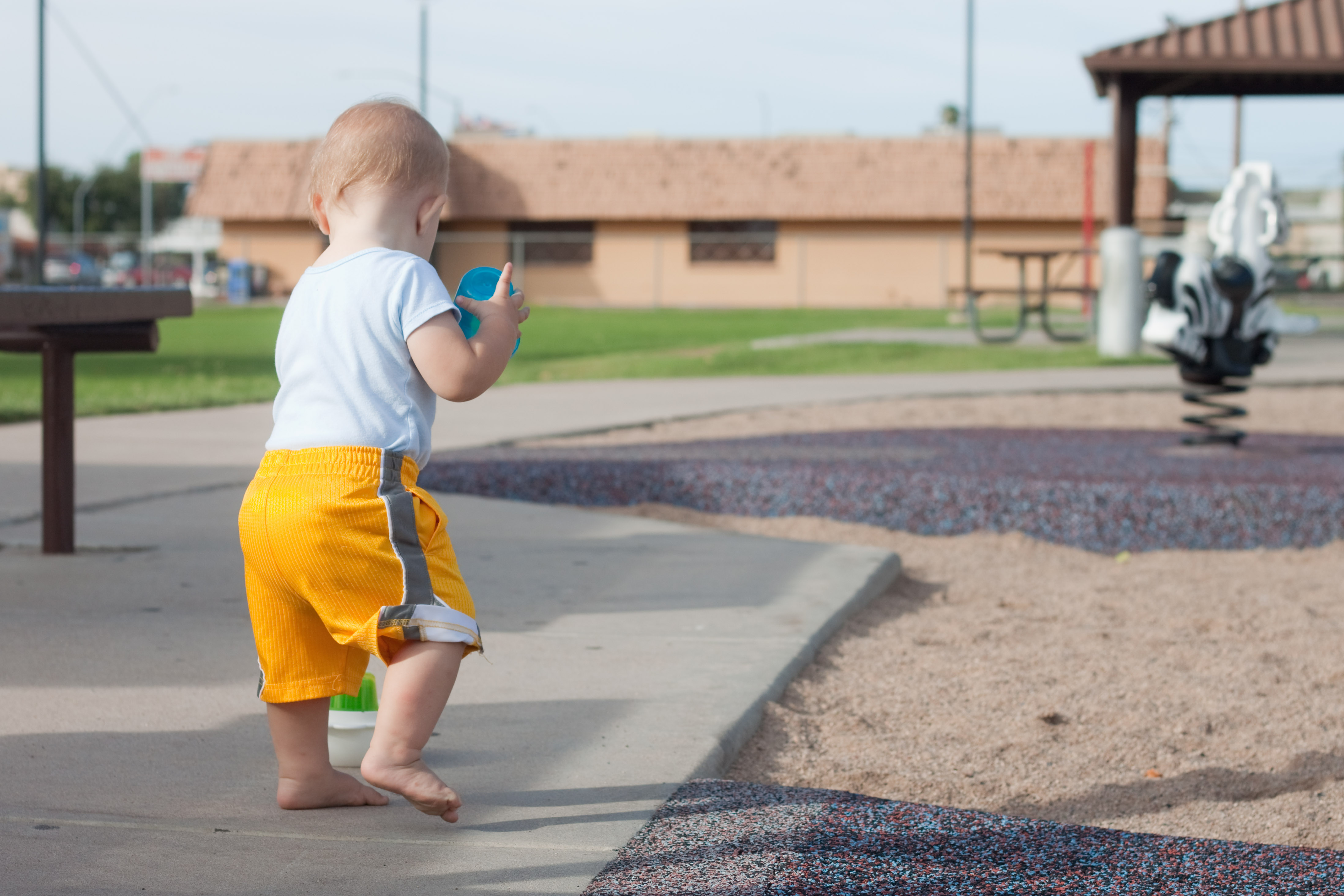
IMG_2445In deciding to go get the blue cup and bring it over with the other cups, and in carrying out that task by himself, he learned about planning and execution. He practiced balancing in a myriad of different positions, and began to grasp concepts of distance and the size and reach of his own body. It may look painfully slow to the observer, but his brain was working furiously the whole time to assimilate and respond to all the incoming information.

IMG_2446His estimation was about an inch or so off – I could have reached over and pushed the cup that much closer to him, but instead he was able to discover that if he stretched out just a bit father than he would normally be comfortable with, he could get the cup to roll towards him and would then be able to pick it up.

IMG_2447Finally – success! Cup in hand, he turned and walked back over to his previous play station, where the other cups and bowls were waiting for him. He had set a goal for himself, worked hard to accomplish it, and carried out his plan, without any adult input, interaction, or assistance. The feeling of a job well done, of new skills mastered, is an incredibly positive one, so why would I want to take that away from him by offering unneeded help? Our babies will surprise us with their abilities and intelligence if we give them the opportunity.

It is not, in the long run, helpful for a child for us to be constantly in their space, giving them adult input, direction, and aid; it shuts down their creativity and hampers their development toward independence. It is our silent and somewhat removed presence – there if they do need us, but unobtrusive when they do not – that can be truly empowering for the young child at play.

Posted in family life

  a moment together

It’s the small moments together, building on each other, each one fleeting, that make a relationship strong and prove the reality of one’s love.

I will hold you close to my heart forever – I will carry you in my love.

IMG_0434
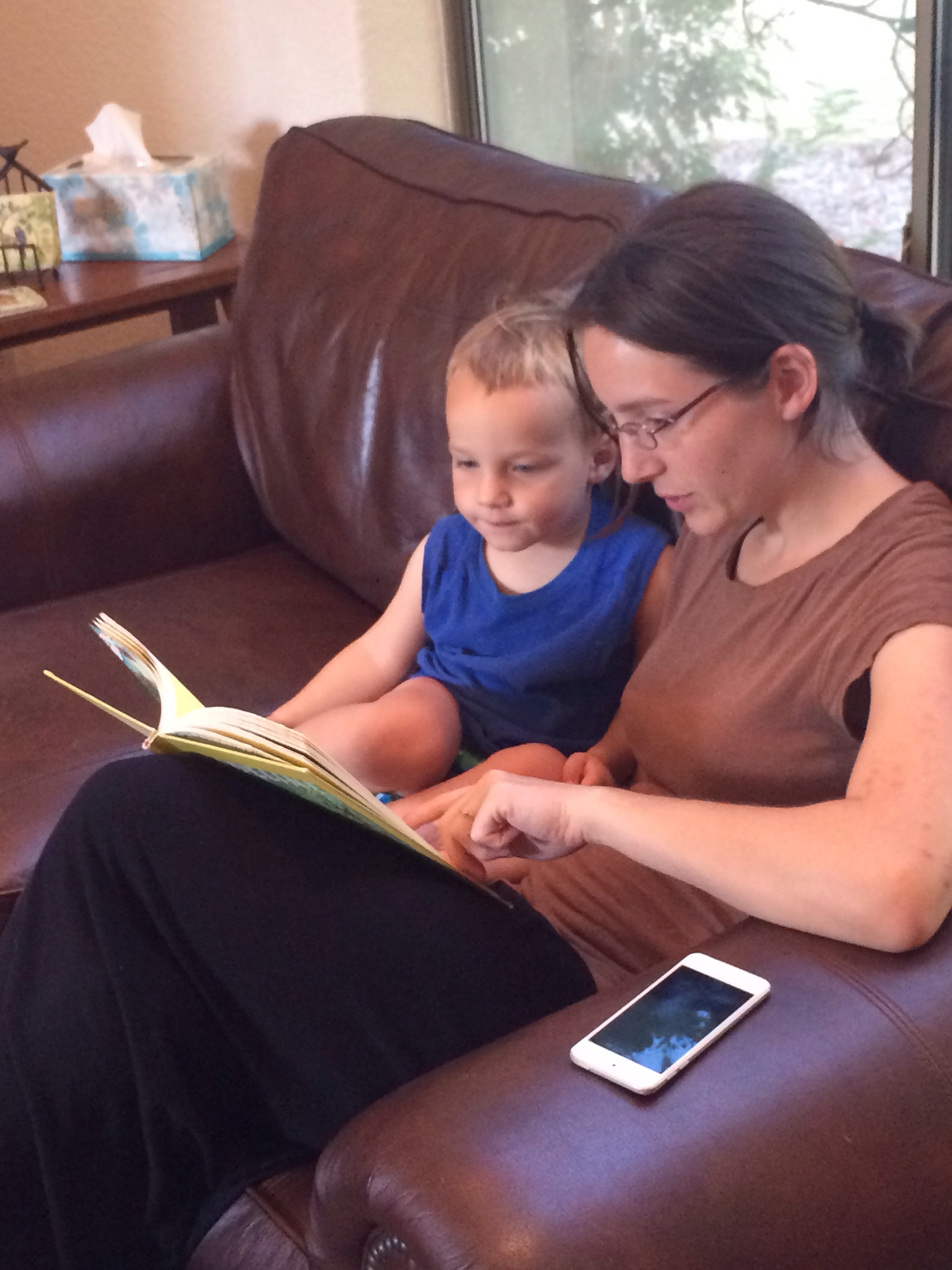
Reading Madeleine, one of my favorite books as a young child, together, for the first time 🙂
Posted in family life

time together: sensory baking

a cloudy rainy Sunday calls for baking and naps! So Rondel and I made some cardamom-spiced pear bread and wintry oatmeal cookies together while Limerick took a nap with Daddy. It is hard to make time to spend one-on-one with Rondel and this hour or so was really special for both of us.

I brought all the ingredients, utensils, and bowls down to the kitchen floor and together we poured, stirred, cracked eggs, and explored with all our senses! Rondel noticed the difference between how brown sugar and white sugar felt on his hands, and between how they poured out into the mixing bowl. (I measured the sugar out into bowls and let him dump them into the big bowl – my “little” bowls were probably too heavy, though, as he ended up dropping them into the butter.) He felt the difference between the fine powdery baking soda and the coarse grainy salt – and liked the feel of the baking soda so much that he put his whole hand in the box to feel more! He felt the cool smooth pool of vanilla and the cloudy soft pillow of flour. He felt the firm unbroken shell of the eggs, heard the crack as he hit them against the bowl, felt the sharp fragmented edges and the slippery egg white as he tried to pry them open from his little starter hole.

He tasted the oats, dry and chewy, texturally pleasant but rather bland; he tasted the walnuts, cold and crunchy from the freezer; he tasted the cranberries, tart and bright on the tongue; and he tasted the white chocolate chips and didn’t want to stop tasting them! He observed the funny folds and crevices of the walnuts, and used his imagination to see silly cars and trucks and animals in their fantastic shapes. He saw how the white flour disappeared and was absorbed into the dough as we stirred.

And what he didn’t do faded into the background, and we ignored it. Some other day he’ll want to feel the butter, help grease the bread pans, taste the creamy-grainy mix of butter and sugar, and lick the bowl with me. He can grow in his experiences in his own way, and at his own speed, and we can still have one of the best afternoons we’ve had together in a long time.

(I didn’t take any pictures because I didn’t want to step out of the moment with Rondel, so you’ll just have to imagine the cuteness and the mess! Sorry about that!)

Posted in musings

Glory or love?

I’m part of a Bible study with a collection of friends and acquaintances that meets every Friday night, and we’re currently studying Ecclesiastes (and it’s a good thing our leader is in seminary because otherwise we’d be totally lost!). Anyways, there’s some theological variation among us, as is to be expected in Protestant groups, and one of the greatest differences stood out to me sharply in one of our conversations this week.

Commenting on Ecc. 5:18-20, where the author says that the ability to enjoy God’s blessings is itself a gift from God, one of the other women noted how amazing it is that God built into us this capacity for enjoyment and pleasure, instead of making us just machines or automatons, because He would have been glorified either way but He did that for us. And I couldn’t help thinking that of course this generous other-centered action of God will seem unbelievable if you believe that God’s primary concern is His own glory. But is it?

The things God does bring Him glory, yes, and He deserves to be glorified and worshipped because of who He is and what He does. I don’t think, however, that He decides what to do based on what will bring Him the most glory, or that He’s worried for His sake about whether or not we worship Him and give Him glory.

I submit that God’s primary and defining characteristic is love. He was love in the three persons of the trinity before He created anything, and He created that love might be multiplied. He bore utter humiliation and agonizing suffering to communicate and extend that love to those who had rejected and mocked Him. And out of that love He gave us the capacity for joy – the ability to find happiness in Him and in all the good gifts of His hand.

It is something to be deeply grateful for, this joy – but not, I think, something to be surprised at, when we see how God truly is a God of unfathomable love. He is not like a self-aggrandizing parent, from whom we are taken aback to receive good gifts, thankful that our happiness managed to be a side-effect of His glory. No, rather, He is like a Father willing to set aside His own success and reputation that He might love His children well and raise them to the fullness of goodness and joy.

And that is my primary argument with Calvinism as I have so often encountered it: it turns God into a selfish celestial tyrant, damning or saving on a whim, and demanding that He receive all the glory, for all the world like an entitled brat. It removes His incomprehensible, unconditional love – the love that Paul says “passes knowledge” in Eph. 3, that he prays we might know in all its fullness.

Posted in family life, phfr

{pretty, happy, funny, real} – at the fire station

Rondel has a deep and abiding love of firetrucks. As an infant, one of the first imitative sounds he ever made was a firetruck siren (seriously – he was 5 or 6 months old, sitting there with his toys, making siren noises!), and now, if he hears a siren coming, he runs to the big window upstairs, asks to go outside, or (if we are outside) almost frantically tries to get to the nearest road in case it is going to pass by. We live less than a mile from the biggest station in our city, so we hear and see the trucks fairly often, but I wondered if there was a way to see them up close and personal.

To my delight, I discovered that our city offers free tours of the fire station as long as you have a group of 6-20 people! Completely against my personality and preference as a shy, logistically-challenged individual, I recruited some other families I knew, called the fire department, and set up a date.

The ladder truck (the biggest fire engine) had to leave for a call just about the time we arrived for the tour, so the firefighters showed us some of the other vehicles – the support trucks, the IT van, and the community care ambulance. That ambulance is one of the more fascinating and unique things about our fire station. Using funds from a federal grant to study ways to reduce health care expenses, they converted the ambulance into a sort of clinic on wheels, and take it to low-level 911 calls that would otherwise have resulted in an ambulance trip and an ER visit. (This type of call can include a headache, a baby’s fever, a cut that might require stitches, and so on; the firefighter who helps staff the community care vehicle told us that we would be surprised at the calls that come in.) In addition to providing immediate medical care with the onboard physician’s assistant, they can provide basic health education to equip people to deal with non-emergency situations on their own in the future. It’s a pretty awesome idea and I hope it makes a difference in our community!

{pretty}

IMG_2429

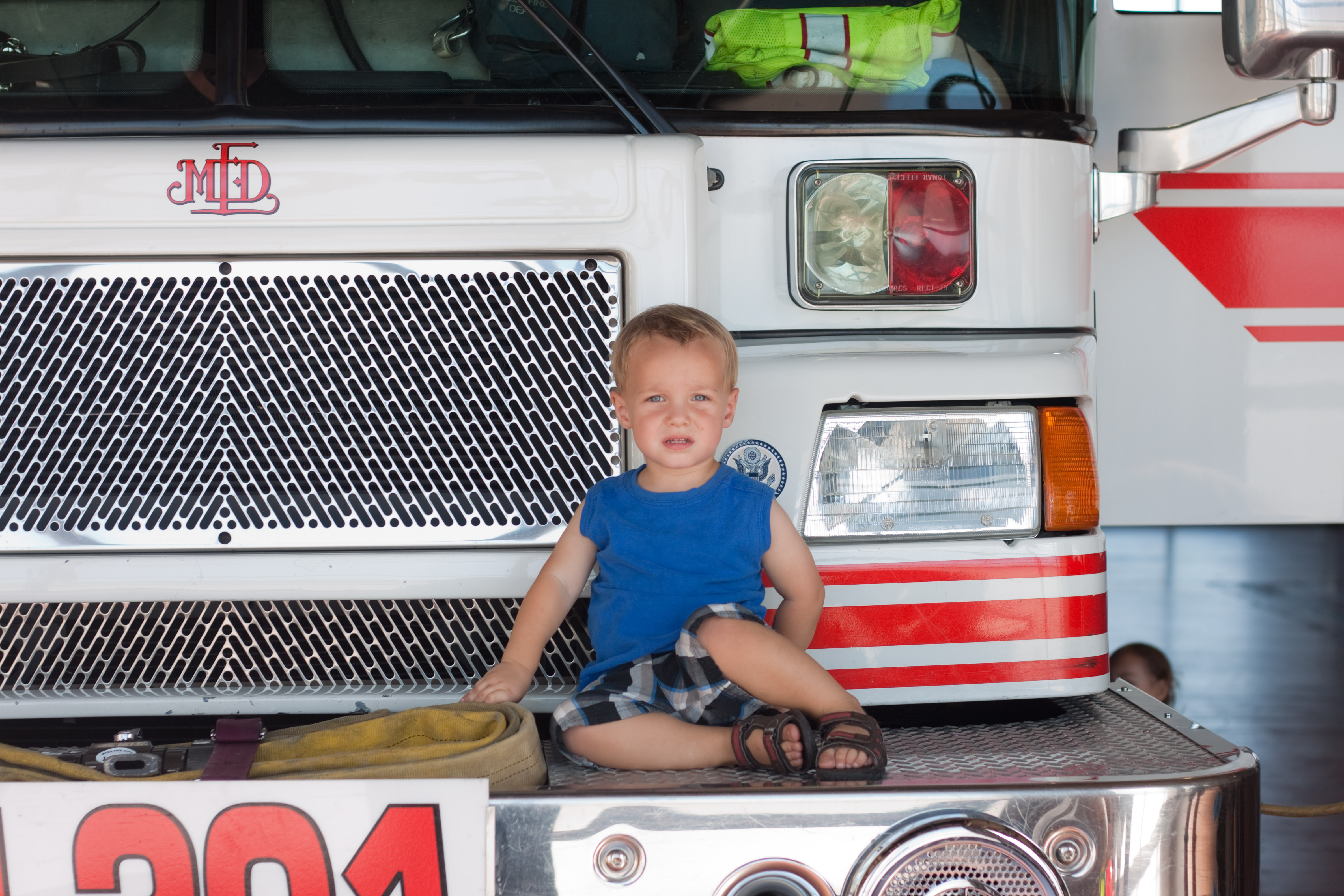
The boys weren’t quite as interested in the community care concept as I was… fortunately, the ladder truck returned and they were able to check it out! Rondel walked around the whole truck with the firefighter, listening to him explain about all the different tools stored in each compartment on the truck (the ladder truck carries some heavy-duty equipment for cutting through roofs or into cars). He wasn’t so sure about sitting on the front of it but he let me get a picture at least.

{happy}

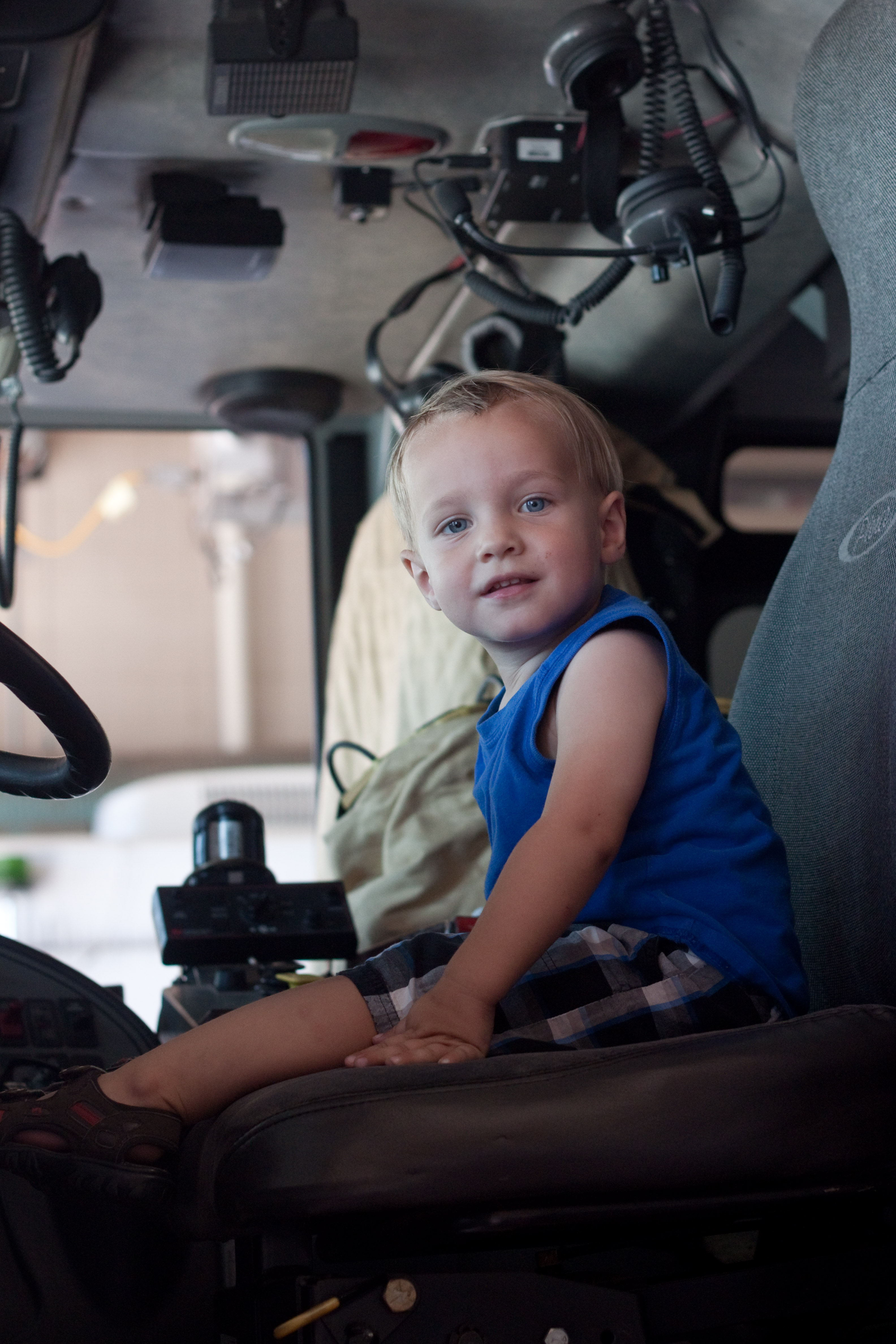
The icing on the cake was when he realized they would let him sit in the driver’s seat and pretend to drive the truck. I don’t think he ever wanted to get out!

IMG_2425 IMG_2418

{funny}

It’s a little hard to see, but his jaw is dropped open in awe or disbelief here. This was the moment he reached out and grabbed the steering wheel for the first time – I think he thought he was literally driving the firetruck.

IMG_2419

{real}

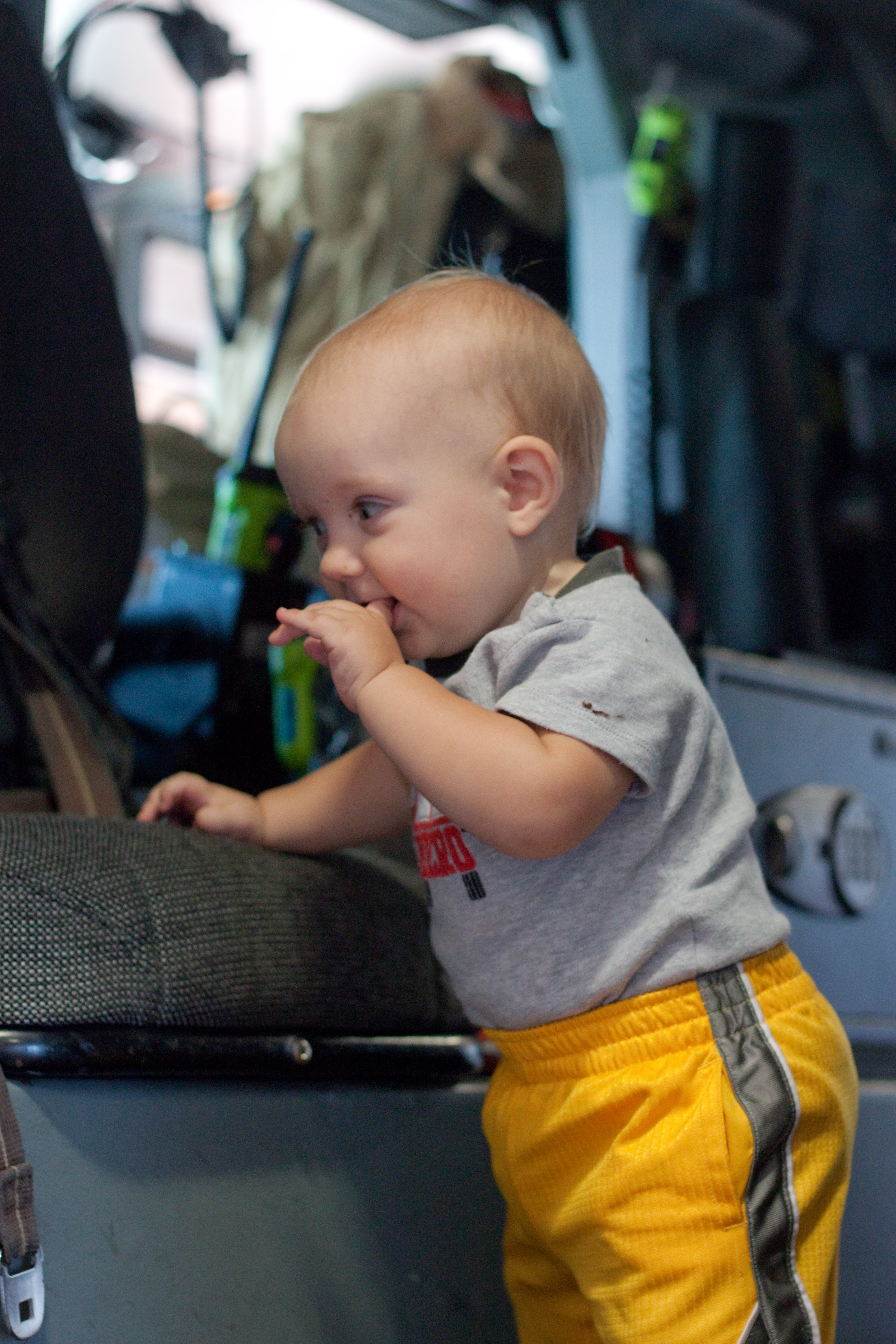
True to my aforementioned logistically-challenged self, I scheduled the tour at a time that overlapped with Limerick’s morning nap (in my excuse, I had to schedule it a few weeks in advance and he was transitioning from 3 naps to 2 at the time). He probably would have enjoyed it a lot more if he hadn’t been so tired; he spent most of the hour-long tour sitting in his stroller just watching everyone else. He did get to check out the second-row seating in the ladder truck though:

IMG_2434

He was loving it despite his exhaustion when – of course – they got another emergency call and we had to whisk the kids out of the truck. Oh well. I’m sure we will go again sometime! The firemen were incredibly welcoming and friendly, and very accommodating to the little kids (my friend with older kids canceled last minute, so we only had toddlers and babies). So thank you very much, Mesa Fire Department! You rock!

Don’t forget to head over to Like Mother, Like Daughter for the link-up today!