Posted in musings, quotes

thoughts on the principle of “respect for persons”

I’m doing my human research ethics refresher training at work this week and ended up rereading parts of the Belmont Report (the flagship document on the ethics of human subjects research in the United States, written in the 1970s in response to some of the atrocities uncovered during the Nuremberg trials as well as some of the horrors unearthed in our own history). The section of “Respect of Persons,” deemed a “Basic Ethical Principle” by the authorial committee, particularly stood out to me:

“Respect for persons incorporates at least two ethical convictions: first, that individuals should be treated as autonomous agents, and second, that persons with diminished autonomy are entitled to protection. The principle of respect for persons thus divides into two separate moral requirements: the requirement to acknowledge autonomy and the requirement to protect those with diminished autonomy.

An autonomous person is an individual capable of deliberation about personal goals and of acting under the direction of such deliberation. To respect autonomy is to give weight to autonomous persons’ considered opinions and choices while refraining from obstructing their actions unless they are clearly detrimental to others. To show lack of respect for an autonomous agent is to repudiate that person’s considered judgments, to deny an individual the freedom to act on those considered judgments, or to withhold information necessary to make a considered judgment, when there are no compelling reasons to do so.

However, not every human being is capable of self-determination. The capacity for self-determination matures during an individual’s life, and some individuals lose this capacity wholly or in part because of illness, mental disability, or circumstances that severely restrict liberty. Respect for the immature and the incapacitated may require protecting them as they mature or while they are incapacitated.” (emphasis added)

I wish this principle was applied more broadly in our society, and not merely codified into our human subjects research policies. Can you imagine what it would look like if, instead of shunting the homeless and mentally ill to the back or our minds and the sides of our communities, we considered them to be fully human agents able to make decisions and entitled to protection, not neglect or abuse, when incapacitated through disease or lack of opportunity, education, and health care? Maybe it would pave the way for people to reintegrate into society; maybe it would end some of the isolation and stigma surrounding people and their loved ones who are going through a situation in which they need help and aren’t fully able to advocate for themselves.

Can you imagine how the next generation would live if we raised our children with these principles of respect? If we valued their autonomy, took seriously their opinions and decisions, gave them the freedom to try and fail and learn and succeed, and equipped with the information and logical skills to choose wisely? If we stopped viewing them as possessions and status symbols and means to our own self-fulfillment, and instead truly considered them to be autonomous agents (immature and in need of our guidance and protection, yes, but not for us, or belonging to us, for our pleasure or our reputation)? We wouldn’t have the wounds of a child who can no longer live up to his parents’ expectations and feels like he’s going to bring their whole world crashing down, or of a child who is scared to try because he’s scared to fail and doesn’t believe he has the ability to think and act for himself, or of a child who is abused or neglected by parents thinking only of their own pleasure or convenience. And we wouldn’t have all those old wounds festering in the hearts of the adults who are leading our country, our businesses, our churches, and our families…

Can you imagine what the tender and vulnerable bookends of life could become if we viewed those people as entitled to our protection? Instead of the womb being a place where life only continues at the whim of another person, where the vulnerable human who cannot yet speak for himself or make his own decisions isn’t even given the basic protection of his own life, maybe it could become a place where the vulnerable are valued and protected with gentleness and love, preparing the baby within for the autonomy that will grow and mature within him. Instead of the last years of illness, frailty, and dementia being felt as a burden on the greater society, and the less autonomous being pressured to end their lives to reduce the strain on the community’s resources, maybe it could become an opportunity for the healthy and strong to learn love and sacrificial service in protecting and comforting the sick and dying.

Research isn’t the only thing that needs to be governed and informed by basic ethical principles.

Posted in family life, musings

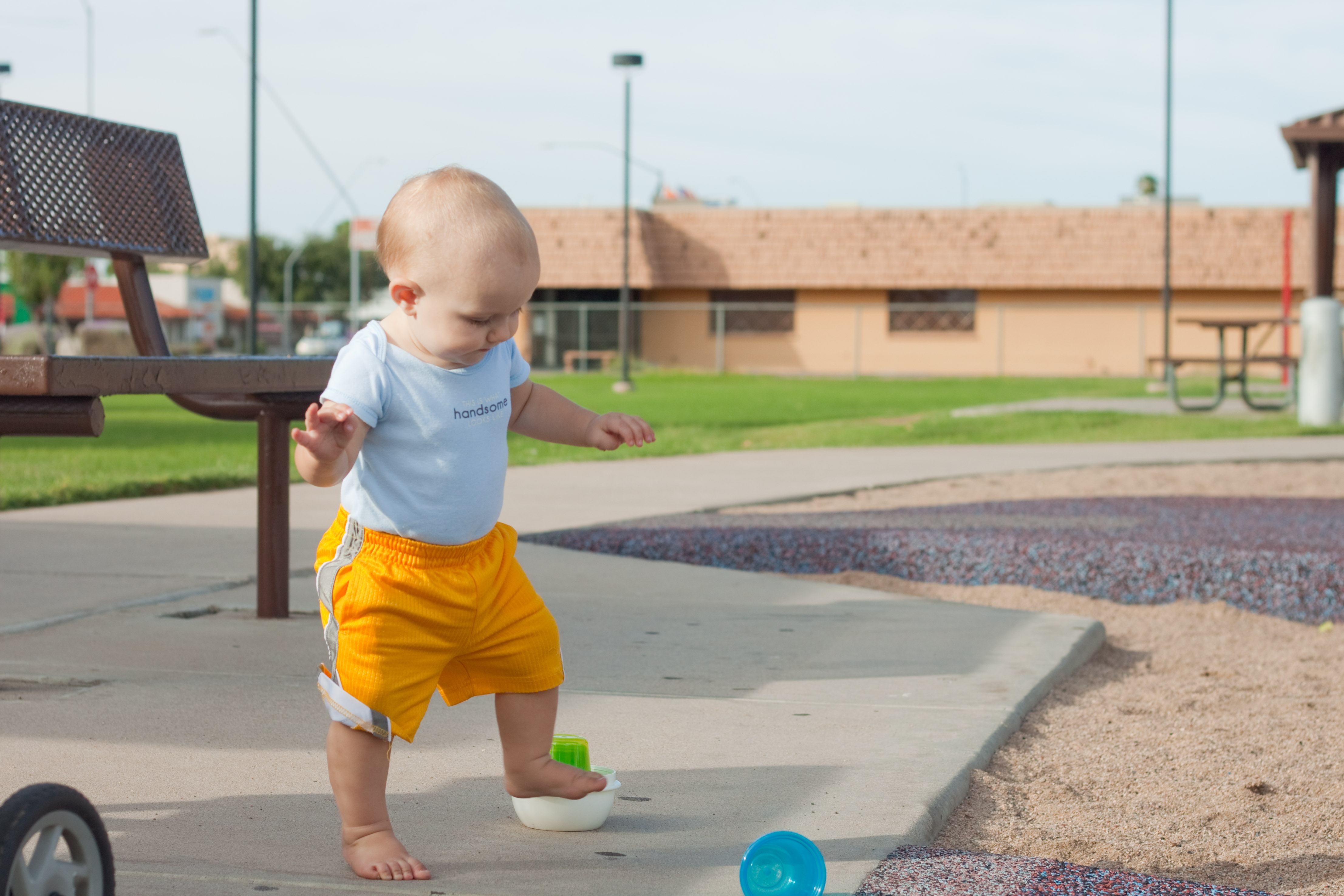
infant play – stackable cups at the park

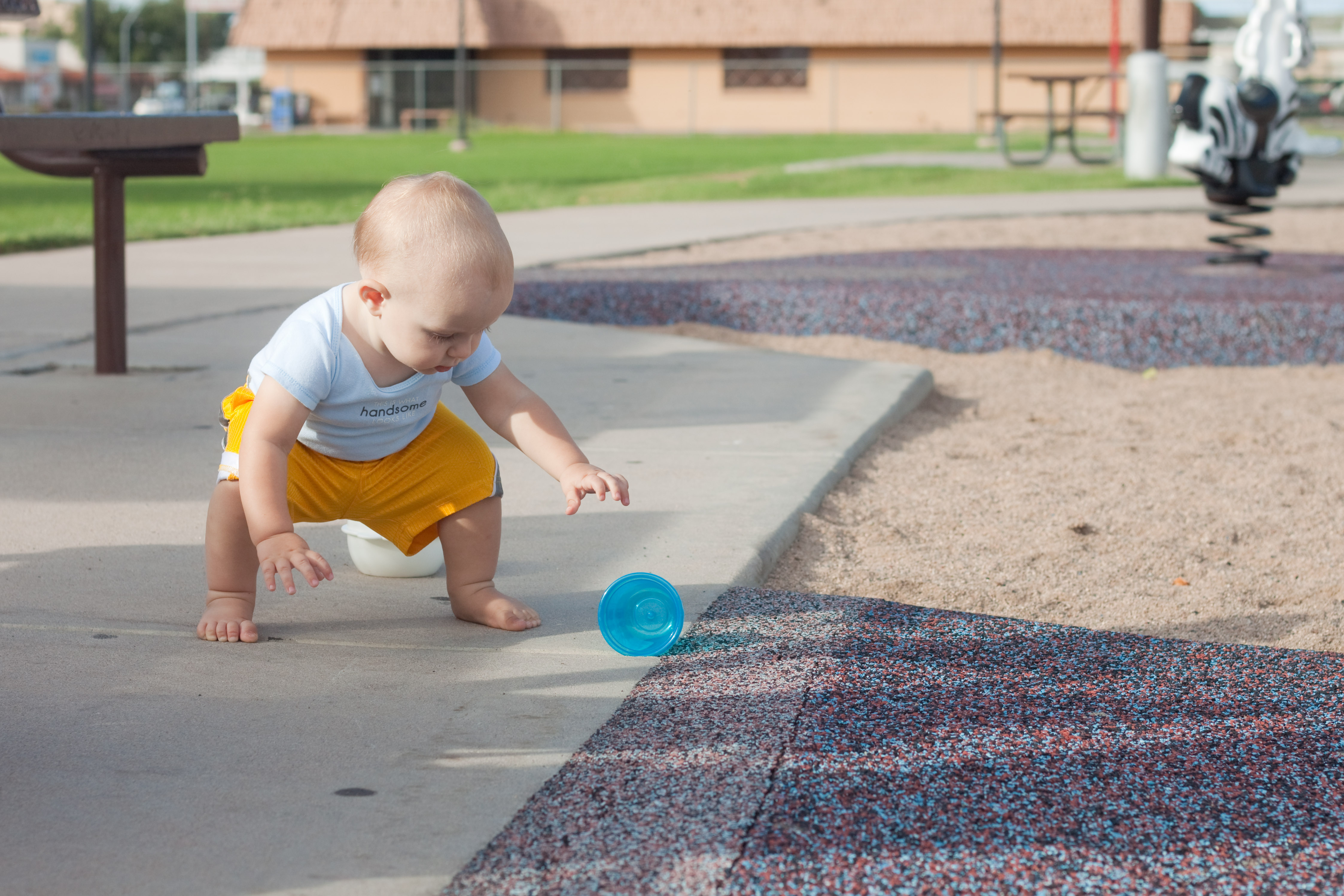
It is quite a privilege to watch a very young child playing independently. I brought stackable cups and a random bowl to the park with us and simply set them on the ground to see if the boys would notice or be interested.

IMG_2443The complete focus, the utter absorption into the task the child has created, is a beautiful thing. Limerick had no direction about what to do with those cups: he was able to investigate their properties himself and decide what he wanted to accomplish.

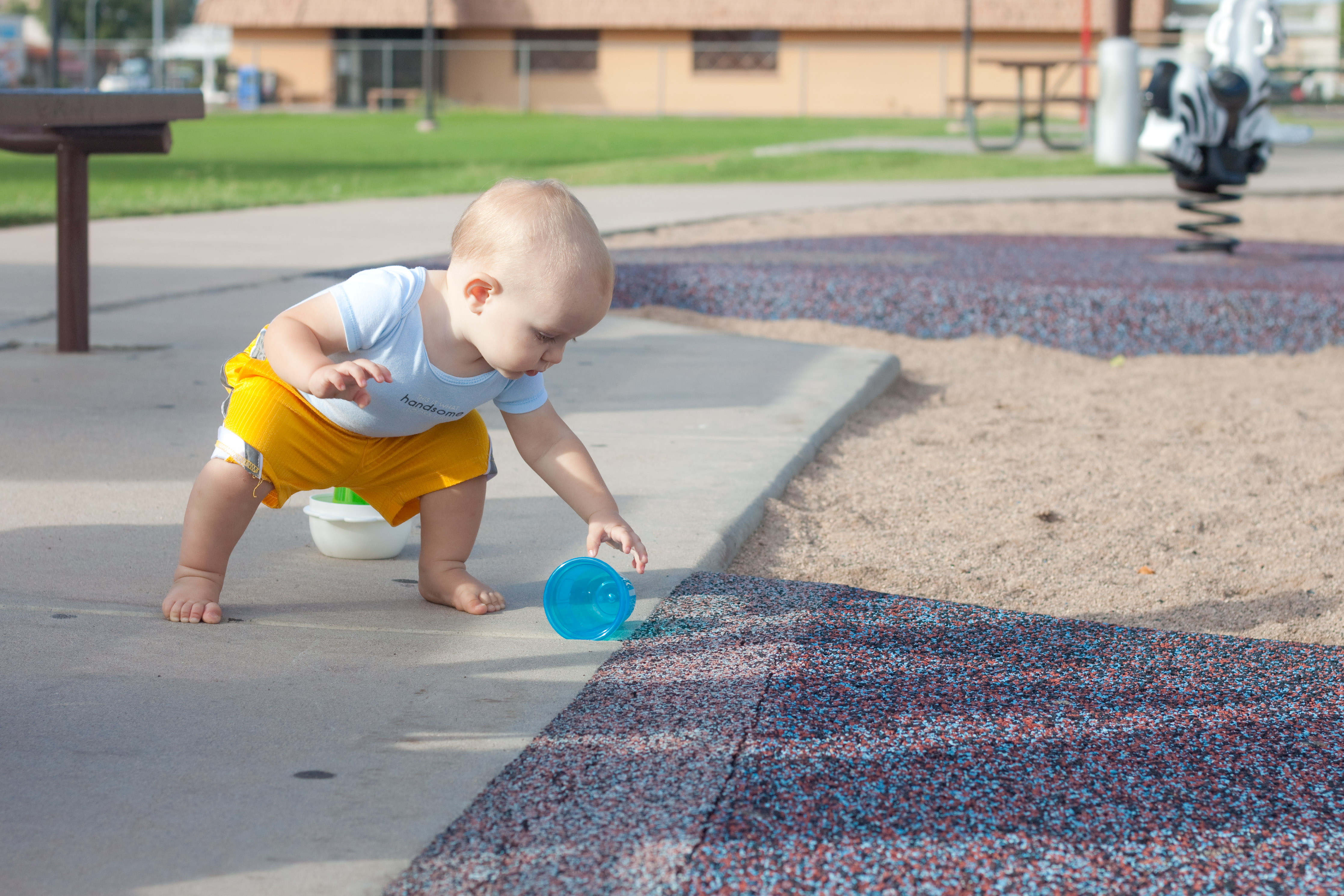
IMG_2444Sometimes it’s tempting to step in and offer a hand, whether to direct their play (so it makes more sense from our adult perspective) or to provide a layer of support and security (so we can ease our own adult anxieties). But though his steps might be shaky, Limerick doesn’t need me right next to him. Letting him walk by himself, as he so very much desires, will strengthen his independence and self-confidence; constantly shadowing him with offers of help will begin to convince him that he is incapable on his own.

IMG_2445In deciding to go get the blue cup and bring it over with the other cups, and in carrying out that task by himself, he learned about planning and execution. He practiced balancing in a myriad of different positions, and began to grasp concepts of distance and the size and reach of his own body. It may look painfully slow to the observer, but his brain was working furiously the whole time to assimilate and respond to all the incoming information.

IMG_2446His estimation was about an inch or so off – I could have reached over and pushed the cup that much closer to him, but instead he was able to discover that if he stretched out just a bit father than he would normally be comfortable with, he could get the cup to roll towards him and would then be able to pick it up.

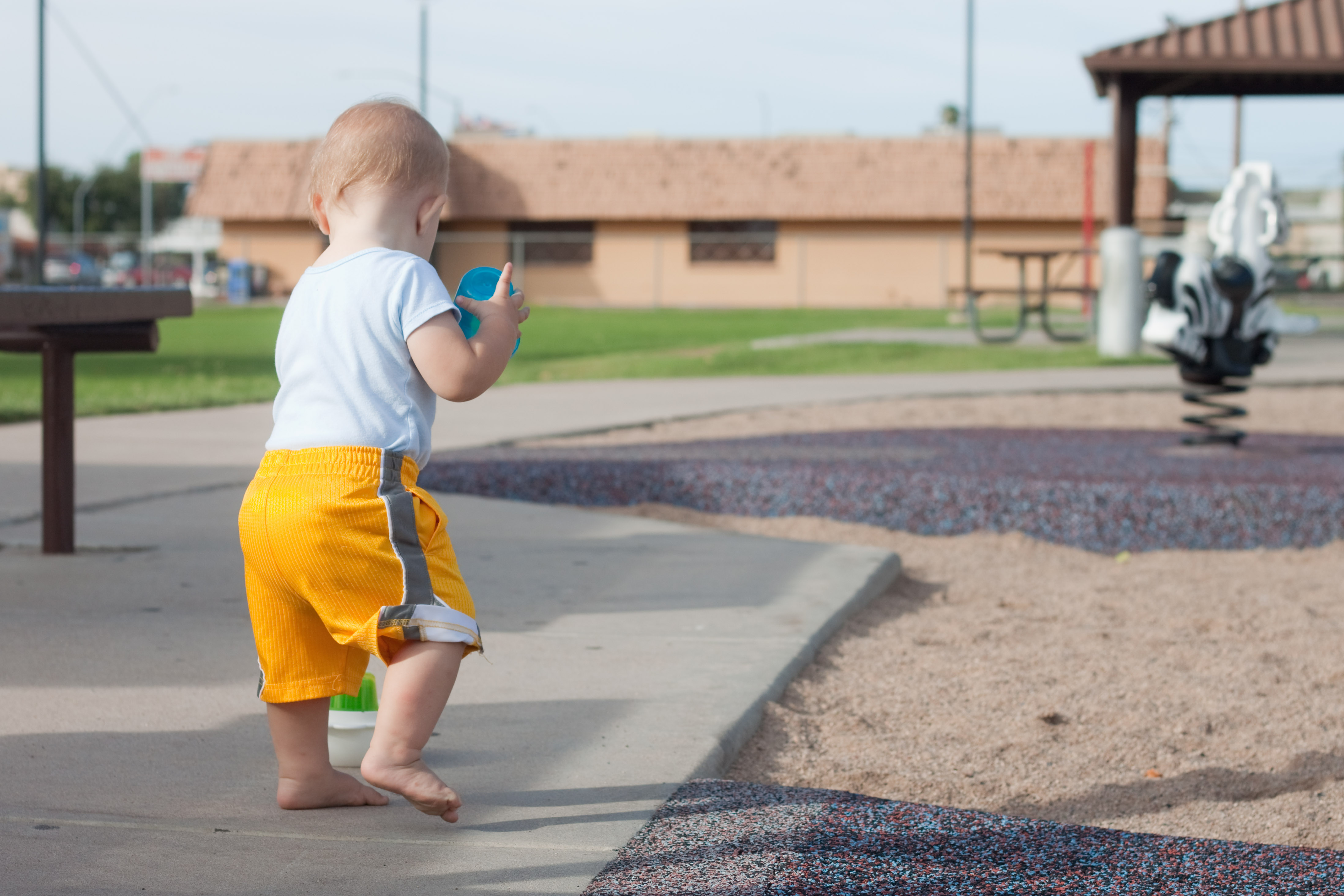
IMG_2447Finally – success! Cup in hand, he turned and walked back over to his previous play station, where the other cups and bowls were waiting for him. He had set a goal for himself, worked hard to accomplish it, and carried out his plan, without any adult input, interaction, or assistance. The feeling of a job well done, of new skills mastered, is an incredibly positive one, so why would I want to take that away from him by offering unneeded help? Our babies will surprise us with their abilities and intelligence if we give them the opportunity.

It is not, in the long run, helpful for a child for us to be constantly in their space, giving them adult input, direction, and aid; it shuts down their creativity and hampers their development toward independence. It is our silent and somewhat removed presence – there if they do need us, but unobtrusive when they do not – that can be truly empowering for the young child at play.

Posted in musings

Glory or love?

I’m part of a Bible study with a collection of friends and acquaintances that meets every Friday night, and we’re currently studying Ecclesiastes (and it’s a good thing our leader is in seminary because otherwise we’d be totally lost!). Anyways, there’s some theological variation among us, as is to be expected in Protestant groups, and one of the greatest differences stood out to me sharply in one of our conversations this week.

Commenting on Ecc. 5:18-20, where the author says that the ability to enjoy God’s blessings is itself a gift from God, one of the other women noted how amazing it is that God built into us this capacity for enjoyment and pleasure, instead of making us just machines or automatons, because He would have been glorified either way but He did that for us. And I couldn’t help thinking that of course this generous other-centered action of God will seem unbelievable if you believe that God’s primary concern is His own glory. But is it?

The things God does bring Him glory, yes, and He deserves to be glorified and worshipped because of who He is and what He does. I don’t think, however, that He decides what to do based on what will bring Him the most glory, or that He’s worried for His sake about whether or not we worship Him and give Him glory.

I submit that God’s primary and defining characteristic is love. He was love in the three persons of the trinity before He created anything, and He created that love might be multiplied. He bore utter humiliation and agonizing suffering to communicate and extend that love to those who had rejected and mocked Him. And out of that love He gave us the capacity for joy – the ability to find happiness in Him and in all the good gifts of His hand.

It is something to be deeply grateful for, this joy – but not, I think, something to be surprised at, when we see how God truly is a God of unfathomable love. He is not like a self-aggrandizing parent, from whom we are taken aback to receive good gifts, thankful that our happiness managed to be a side-effect of His glory. No, rather, He is like a Father willing to set aside His own success and reputation that He might love His children well and raise them to the fullness of goodness and joy.

And that is my primary argument with Calvinism as I have so often encountered it: it turns God into a selfish celestial tyrant, damning or saving on a whim, and demanding that He receive all the glory, for all the world like an entitled brat. It removes His incomprehensible, unconditional love – the love that Paul says “passes knowledge” in Eph. 3, that he prays we might know in all its fullness.

Posted in family life, musings

loving sick littles

Little kids don’t really understand what it means to be sick. Suddenly, they feel uncomfortable and out-of-sorts, more easily overwhelmed, worn out, and generally at odds with everyone and everything. This stems from their bodies being at odds with them and acting in rather upsetting, abnormal, and unpredictable ways. I think for some children, like my oldest, for whom routine is very important, the unpredictability of their bodies during sickness is one of the worst parts of being sick!

In light of this curious cluelessness in sick kids (I’m not sure how long this phase lasts, but it definitely exists in toddlers!), where they’re feeling awful but they have no idea why or what to do about it, we as parents have to be more aware and then enforce some general rules for rest and recuperation. Leila’s post at Like Mother Like Daughter has a very comprehensive set of guidelines so I’m not going to reinvent the wheel here – go read her page 🙂 I’m just writing and thinking about this heightened awareness we need to have because our little kids just don’t have it yet, especially when they’re very young. With experience they’ll start figuring it out but until then we really have to pay attention. We have to know our children’s normal MO so that when something’s bothering them and they’re acting differently we can pick up on it. We have to be able to tell the difference between the slightly bored complaint of a toddler who needs to get out and run around, and the attention-seeking whine of a child who needs to reconnect with his mom and be reassured of her love, and the general malaise of a child who’s starting to feel unwell.

It just confirms, to me, the crucial role of a parent (and perhaps especially a mother) in the life of the very young child, and how impossible it is to replace that role with daycare or babysitters, no matter how good they are. No one can love my children like I can, and no one can be in tune with their needs like an involved and present parent can. I can still love my children well despite working outside the home, but those hours away from them do make it harder to read their moods and decipher their needs, and it makes it even more essential for me to be aware and fully present with them when I am at home. My active presence – my ability to understand what they’re feeling when they’re confused and unable to express what’s wrong and respond in a helpful manner – goes a long way towards making them feel unconditionally loved, understood, and accepted for who they are. Hopefully I can continue to get better at it as time goes by and I gain more experience in this crazy adventure called motherhood!

Posted in musings

Virtue on the hard days

Hard days are made harder when they’re not confronted with virtue.

When everyone is feeling sick or stressed or overwhelmed and I choose not to respond with charity and patience, everything falls apart that much more quickly and dramatically. Feelings are hurt, problems are left unsolved, and the general aura of chaos and disarray multiplies.

When the general pattern of our life is difficult for a season, and our margins are essentially nonexistent, and we’re all pushed to the breaking point, and I choose not to respond with hope but rather react with bitterness and resentment, I add to the struggles we face, and push our family apart instead of drawing it together. We remain blinded to the beauty and blessings that we do have to enjoy, and let the hardships dominate our thoughts and emotions.

When I’m utterly exhausted and the baby wakes up that one last time, like the straw on the camel, and I choose not to respond with gentleness but rather with a sharp voice and rough hands, neither of us end up sleeping well, and our relationship is wounded. The peace of the night is shattered by my selfishness and it takes an extra effort to restore it.

Virtue isn’t easy, but it’s almost a necessity at times like these, because a lack of it is so much harder to deal with in the long run.

Posted in family life, musings

unplanned pregnancies

I found out via Facebook that one of my young cousins is expecting a baby. She’s 21 now, so it’s not exactly a teen pregnancy, but she isn’t married to her baby’s father and neither of them have much in the way of education or career prospects, and they’re both still living at home. It doesn’t take much intelligence to deduce that this wasn’t a planned pregnancy.

But if my first reaction is to think, “how could she make such a stupid choice? why would she have s*x before getting married anyway? doesn’t she know that’s how babies happen? she should have made sure she was in a better financial position before moving ahead with a family” – then I really don’t believe, in my heart of hearts, the full truth of the pro-life position.

If, then, my second thought is along the lines of, “at least she’s keeping the baby instead of killing it – but this is going to make her life so much harder, and it won’t be good for the baby either, and honestly she deserves it for her foolish choices that brought this baby into existence in the first place” – then all my words about how babies are a blessing from God, how every baby should be valued and fought for and given the love of its parents, are empty and hypocritical.

Was it a poor choice to be intimate before marriage? Undoubtedly – there’s a reason God commands us not to do that. But that doesn’t mean everything that follows from that poor choice is a punishment, consequence, or negative outcome. God is in the business of forgiveness and redemption, after all, and maybe this gift of new life is part of His plan of giving grace and renewing all things.

Is it foolish, in the estimation of this world, to have a child before finances and jobs and future plans are all figured out? Yes, of course! Financial security is the idol of our culture, and a baby makes establishing that security more difficult than just about anything else. But God tells us that a baby is a blessing, not a curse: that the love that baby brings, and the joy of making a family, and the virtues that bloom as a family grows while following Him, are worth more than anything money could promise. Better is a dinner of herbs where love is, and all that. To set aside this opportunity for multiplied love in the name of money – to close our hearts and our bodies to a great blessing and pursue our own comfort and convenience instead – that is truly foolish.

Will having a baby right now make her life harder? Of course, of course it will. No matter when a baby comes, it makes life harder for its parents! Rather than glossing over her choice to keep the baby and focusing on her choices before the baby was conceived – rather than emphasizing her mistakes, in other words – our heart as pro-life Christians should be to praise her, to thank God for her courage and her strength, that despite the incredible hardship this baby may bring her as an unmarried, uneducated mother, she chose the right and the good at the cost of her comfort and convenience. She didn’t try to hide her mistakes, but let the world see, and know, and judge her, because she knew that the life of her baby was worth more than the pain of their judgments.

If we are truly pro-life, we will stand with my cousin and other women like her, without judging her for her mistakes, or shaming her for her “foolish, unplanned pregnancy”, or whispering behind her back about the stupidity and lack of character in these poor women who conceive children out of wedlock. Instead, we will congratulate her for the miracle of new life growing within her womb. We will praise her for the moral fiber and courage it took to choose life for that tiny and vulnerable baby over whom she held complete power and face the judgment of both the moralists and the materialists. And we will offer her whatever help she needs to continue to build a beautiful and blessed life for her baby and her family, for as long as she needs it.

Posted in family life, musings

happy feelings

What is the sweetest feeling in the world?

The feeling of toddler arms wrapped around your neck, a soft cheek snuggled up to yours, and a little warm body pressed up against you as your son hugs you with all the strength in his body.


What is the most thrilling feeling in the world?

The feeling of mixed apprehension and pride as your baby swings himself around to slide off a couch that is higher than he is tall, and lowers himself carefully down, and lands, and stands, and turns to face you with triumph on his face!


What is the happiest feeling in the world?

The feeling of receiving love in the affirming words of your husband, letting you know how much he values the effort you make to parent well, after a hard and emotionally challenging day.


It’s hard not to be grateful and at peace with moments like these in my life, even when circumstances are difficult or frustrating. God has blessed me so richly with the people He’s placed around me!

Posted in family life, musings, quotes

labels vs. true understanding

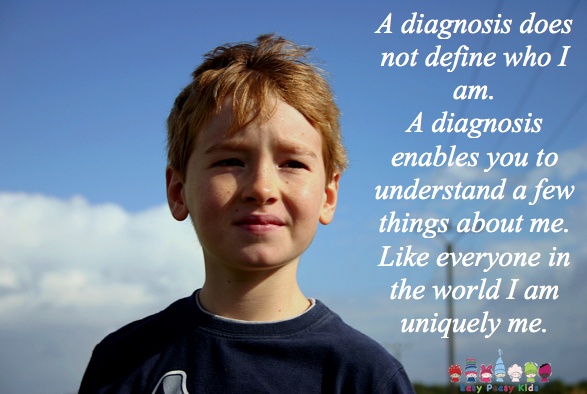
I found this meme on Pinterest (and couldn’t find the original source, unfortunately) while looking for another quote I half-remembered, and thought it was very true:

Diagnosis Meme

One of my close family members has several diagnoses attached to him, and while they have helped me understand things about him – how he thinks, how he reacts, how he processes information and stimuli – it would be incredibly reductionistic of me to think of him solely in terms of those diagnoses. Thinking of them as tools to help me understand and love him better, instead of as labels to describe him, define him, “excuse” him, or write him off, is the best way for me to respond to the fact that he has those diagnoses. And when I interact with him, in my mind, he is simply himself first and foremost – with all his quirks, his profound depths, his dry humor, his skills and interests, and all the other little things that accumulate together to make him who he is. The alphabet soup the doctors use to describe the way his brain works (or struggles to work) doesn’t usually cross my mind at all. I love him for who he is, and I will always love him for who he is. I’m thankful for the words and terms that have helped me understand him better – but unless I pair that understanding with true relationship, it will become mere labeling and categorization rather than the deep personal knowledge of love and presence that I want to characterize our relationship.

Posted in musings, quotes

on being weak

My energy levels have been quite low yesterday and today because I took my last thyroid hormone pill on Friday morning and didn’t pick up the refill from the pharmacy until Monday night – so I missed three of my daily doses. I don’t normally think about it, but the rapidity with which my hypothyroid symptoms returned made me realize how dependent I really am on those little green tablets.

There’s a part of me that’s almost angrily frustrated about my need to take daily medication. I have this strong internal desire to be independent, self-sufficient, and essentially perfect, and here I have a daily reminder that on a basic physical level I’m rather more dependent and less self-sufficient than the average person: that a part of my body is incurably broken and I’ll be stuck treating the symptoms for the rest of my life. Every now and then I wonder if I could go off the medicine and miraculously have my thyroid kick back into gear, but every time I try I’m catapulted right back into the medley of incredible fatigue, poor memory, lack of concentration, and cold that define my hypothyroid experience. So dependent I am.

The silver lining is that I can see a few ways in which God might be using this defect in my body to bring about a greater good in my own life. I don’t think He caused it, because I don’t think He’s the author of disease and disorder, but I think He’s incorporating it into His redemptive work. At least, I hope He is, because I hope that He’s doing exactly that with every evil and broken thing in this world!

Maybe He’s using my physical weakness to teach me humility – because my intelligence, academic success, and mental quickness have left me prone to arrogance and pride, and this tangible flaw in my body (not just its appearance but its function, in some very crucial areas) serves as a reminder that my strengths and gifts are not of my own making, and that so much of who I am and what happens to me is outside of my control.

Maybe He’s using my physical need and dependency to teach me gentle patience – because it is so easy to become frustrated with my body, and that same part of me that reacts with frustration and impatience to my own needs is the part of me that responds to the needs and slowness of others with that same irritated reaction. If I could learn to treat my own body with grace and patience, taking its weaknesses into account and meeting its needs with kindness, it might be the first step toward treating my children with patience and kindness when they have inexplicable, irrational needs, or toward giving my coworkers time to process at their own pace instead of snapping at them for not understanding instantly.

Maybe He’s using my daily medicine to teach me daily gratitude – because life would be so radically different for me if I didn’t live in a time and a place where synthetic thyroid hormone replacement was readily available, or if I didn’t have the money to fill my prescriptions or visit my doctor. The chances are slim that I would have been able to become pregnant or carry pregnancies to term, and my impaired functionality would have hurt my career prospects and relationships as well. If I remembered that every morning when I swallowed that small pill – how everything I love and live for I could have missed out on without it, and how others who need it aren’t able to obtain it – it would make it hard to approach my life with resentment or indifference. The aura of genuine gratitude would suffuse it with beauty.

Without this physical brokenness (and this is probably even more true of the depression I struggled with off and on through high school, college, and especially during the first couple years of my marriage), it would be easy for me to rely solely on my intellectual strengths and never develop a heart of compassion or an attitude of tenderness toward the weak and needy. I can see the power of that temptation for me, and I’m glad for the events in my life that have showed me that it is a temptation, and not a good path to take. I’m reminded of a quote from the end of the book The Chosen, by Chaim Potok (and I don’t have the book myself so I had to find it on the internet, so hopefully it is correct!):

“‘I went away and cried to the Master of the Universe, “What have you done to me? A mind like this I need for a son? A heart I need for a son, a soul I need for a son, compassion I want from my son, righteousness, mercy, strength to suffer and carry pain, that I want from my son, not a mind without a soul!”‘”

If I’m going to be formed in the image of Christ, and carry on the task that He left us of reconciling the world to God, then like Him I’m going to need to live with compassion, righteousness, mercy – and most importantly, strength to suffer and carry pain. If I’m going to be loving people like Jesus loved them, then I’ll have to enter into their pain and their suffering and carry it for them as much as we can. How can I gain that ability unless I learn to meet my own suffering with humility and patience? I hope and pray that even though my suffering has been quite small in the greater sphere of things, it would still work to shape me in this way.

Funny how much can come from thinking about just one small daily pill 🙂

Posted in musings

what I learned from a catholic mom

It was an offhand comment.

“It’s just so hard to find time to pray.”

I was bouncing a baby on my hip and she was swinging a needy toddler up into her arms. We’d been talking about the general busyness of life, like most moms of littles, and about the struggle to establish routines, accomplish everything that needs to be done, and find time for things that mattered to us pre-kids. With a third baby on the way, she was wondering how she would be able to manage everything and still find time for what was most important to her.

IMG_2183
I thought the mint had died, but under the surface the roots must have held on, and now new life is coming up.

I’d had similar conversations with new moms in the past, when I was college and the staff women in my Christian student group all seemed to be having babies. But their phrasing was slightly different:

“It’s so hard to find time to read the Word”

They would describe their tips and techniques for making sure they read and meditated on Scripture daily, and worked it into the fabric of their home life. I drank it up. I am still thankful today for the wisdom I gleaned listening to their conversations. But I never heard any of them talk about how to pray as a busy mom – how to pray alone, how to pray with your husband, how to pray with your children. Either they all had awesome prayer lives and took it for granted, or it just wasn’t as central to their faith as reading the Word.

It sounds like the old argument – Catholics don’t care about the Bible, they don’t take the time to read from it, and their faith isn’t formed by the truth of it. And there may be something to that. I deeply love and value the reverence my fellow Protestants have for the Word of God, and it does seem like Catholicism doesn’t put nearly as much of an emphasis on personal Bible study.

On the other hand, the Protestantism I’m familiar with doesn’t put nearly the same emphasis on prayer. We struggle with prayer. We don’t know what to say, or how to say it, or what our attitude and motivation should be. We follow the guides and programs in the prayer-help books but give up because it feels too stifled, impersonal, or rote. We try to pray from the heart, in our own words, but sometimes our emotions dry us up and even the “Dear God” at the beginning is an effort. As a result, we feel guilty, and we talk about our time in the Word instead, because that is territory in which we have confidence and experience.

Catholic prayer, and I think high-church Protestant prayer, is different. People memorize and pray prayers that have been passed down through the centuries, in addition to their own personal thoughts and thanks and requests. I think those pre-written prayers can act as a springboard for the soul, a key to entering into more personal and intimate communion in prayer, and I think that is why it was prayer, not Bible study, that came to mind first for this woman.

IMG_2189
My mother-in-law made this heart for my garden! I love the imagery of beauty, virtue, and life (symbolized by the white rose) in the core of the heart.

“It’s just so hard to find time to pray”

What hit me with a flash when I heard those words was the centrality and importance of prayer to this mom. Prayer was the thing she desperately craved, the essential aspect of her faith that she didn’t want to let slip away. And why? Because prayer is our direct communication with God, where there is both giving and taking, talking and listening, unburdening our anxieties and sins and receiving His forgiveness and grace. Reading can become an intellectual exercise, whereas prayer is relational by definition. In addition, as I’ve discovered some of the traditional written prayers more commonly used in Catholicism than Protestantism, I’ve realized the power of having words to pray when my own words seem stilted and unwilling: it allows me to overcome my emotions or my self-consciousness and simply come before God to worship, to thank, or to petition. I don’t ever want to lose my love for the Bible, but I think it would be good to learn from this Catholic mom how to love prayer as well, and make it more central to my life and my walk with God.